
Towards a Systematic Risk Assessment of Deep Neural Network Limitations in Autonomous Driving Perception
arXiv cs.LG / 4/24/2026
💬 OpinionIdeas & Deep AnalysisModels & Research
Key Points
- The paper argues that deep neural networks used for autonomous driving perception can fail in several fundamental ways, including poor generalization, low efficiency, limited explainability, plausibility issues, and weak robustness.
- It notes that, despite known DNN shortcomings, the hazards, threats, and risks stemming specifically from these limitations in autonomous driving perception have not been studied in a systematic manner.
- The authors propose a joint risk-assessment workflow that combines hazard analysis and risk assessment (HARA) aligned with ISO 26262 with threat analysis and risk assessment (TARA) aligned with ISO/SAE 21434.
- The goal of the workflow is to identify and analyze risks that arise from inherent DNN limitations, to support safer acceptance of automated and autonomous vehicles.
- The work is presented as an arXiv preprint (v1), indicating it is an early-stage research contribution rather than a finalized standard or product release.
Related Articles
The 67th Attempt: When Your "Knowledge Management" System Becomes a Self-Fulfilling Prophecy of Excellence
Dev.to
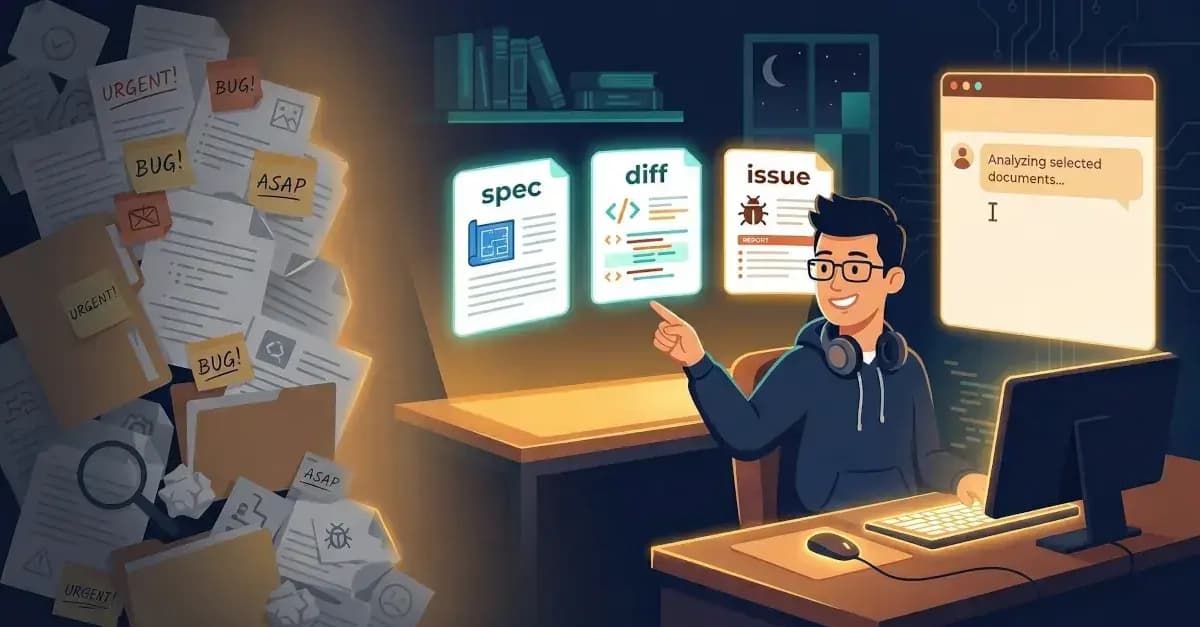
Context Engineering for Developers: A Practical Guide (2026)
Dev.to
GPT-5.5 is here. So is DeepSeek V4. And honestly, I am tired of version numbers.
Dev.to
I Built an AI Image Workflow with GPT Image 2.0 (+ Fixing Its Biggest Flaw)
Dev.to
Max-and-Omnis/Nemotron-3-Super-64B-A12B-Math-REAP-GGUF
Reddit r/LocalLLaMA


