
Between Century and Poet: Graph-Based Lexical Semantic Change in Persian Poetry
arXiv cs.CL / 4/9/2026
💬 OpinionSignals & Early TrendsIdeas & Deep AnalysisModels & Research
Key Points
- The paper studies how meanings in Persian poetry evolve across centuries and poets, arguing that semantic change is driven by shifting relationships among words rather than simple vector drift.
- It combines aligned Word2Vec embeddings with graph-based neighborhood analysis to track changes such as lost and gained neighbors, changing “bridge” roles, and movement across semantic communities.
- Using twenty target words anchored to recurring reference terms (e.g., Earth, Night, wine terms, Heart), the study finds distinct patterns: Night varies more with time, Earth with poet-specific factors, and Heart maintains continuity despite role mobility.
- The authors also show that the two wine reference terms behave differently, revealing probe sensitivity where one is broad and diffuse while the other is narrower and more stable.
- A lexical audit highlights that the corpus includes historically motivated terms, poet-specific usages, and some sparsely attested mystical vocabulary, so computational interpretations should be handled with caution, especially for Sufi terms.
Related Articles

Black Hat Asia
AI Business
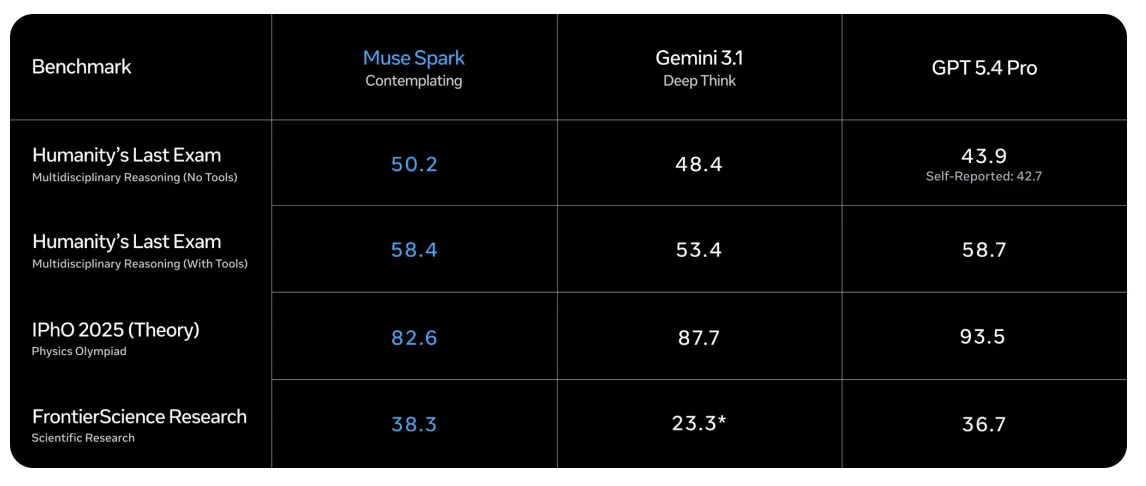
Meta Superintelligence Lab Releases Muse Spark: A Multimodal Reasoning Model With Thought Compression and Parallel Agents
MarkTechPost
Chatbots are great at manipulating people to buy stuff, Princeton boffins find
The Register
I tested and ranked every ai companion app I tried and here's my honest breakdown
Reddit r/artificial

Big Tech firms are accelerating AI investments and integration, while regulators and companies focus on safety and responsible adoption.
Dev.to


