
On Surprising Effects of Risk-Aware Domain Randomization for Contact-Rich Sampling-based Predictive Control
arXiv cs.RO / 5/6/2026
📰 NewsIdeas & Deep AnalysisModels & Research
Key Points
- The paper investigates how domain randomization (DR) behaves in contact-rich sampling-based predictive control (SPC), an area where rollout quality is especially sensitive to uncertainty.
- It studies risk-aware DR by comparing average, optimistic, and pessimistic rollout aggregation strategies on a Push-T task using randomized model instances.
- The authors find that DR changes not only robustness to model error, but also the effective cost landscape experienced by the SPC optimizer.
- They report that DR can reshape the optimizer’s basin of attraction around contact-producing actions, suggesting new directions for more reliable risk-aware contact-rich SPC under model uncertainty.
Related Articles

Top 10 Free AI Tools for Students in 2026: The Ultimate Study Guide
Dev.to

AI as Your Contingency Co-Pilot: Automating Wedding Day 'What-Ifs'
Dev.to
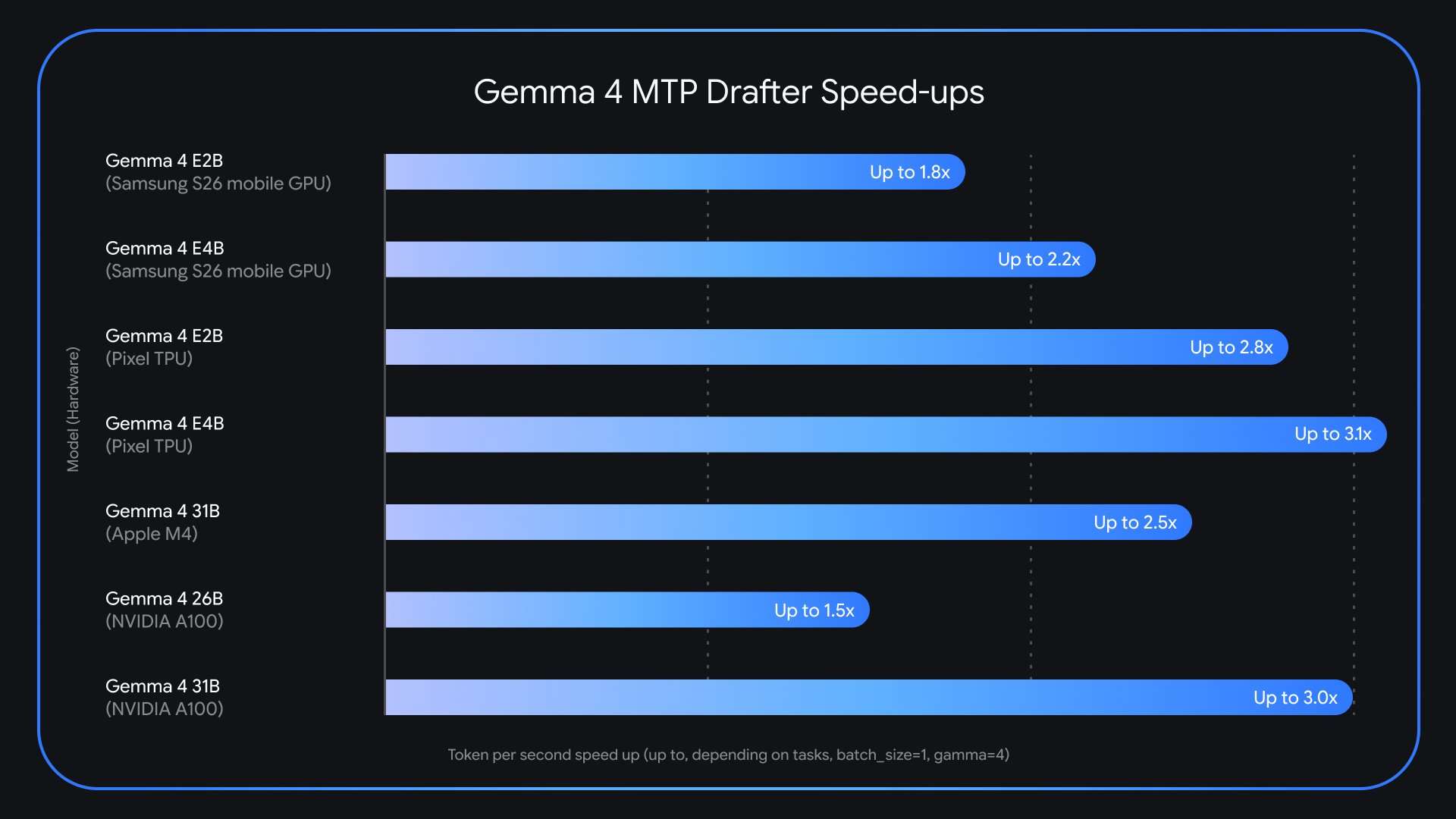
Google AI Releases Multi-Token Prediction (MTP) Drafters for Gemma 4: Delivering Up to 3x Faster Inference Without Quality Loss
MarkTechPost
When Claude Hallucinates in Court: The Latham & Watkins Incident and What It Means for Attorney Liability
MarkTechPost
Solidity LM surpasses Opus
Reddit r/LocalLLaMA


