
On Safety Risks in Experience-Driven Self-Evolving Agents
arXiv cs.CL / 4/21/2026
💬 OpinionIdeas & Deep AnalysisModels & Research
Key Points
- The paper studies safety risks in experience-driven self-evolving LLM agents, focusing on how self-collected experiences impact performance in both web and embodied environments.
- It finds that even experience accumulated only from benign tasks can degrade safety when the agent later faces high-risk situations.
- The degradation is linked to the execution-oriented characteristics of stored experience, which can strengthen the agent’s tendency to act rather than refuse.
- In mixed realistic settings, having refusal-related experience helps prevent safety decline but can lead to over-refusal, highlighting a trade-off between safety and task utility.
- The authors conclude that current self-evolving agent approaches have inherent limitations and argue for more principled methods to ensure safe and reliable adaptation.
Related Articles

Every time a new model comes out, the old one is obsolete of course
Reddit r/LocalLLaMA
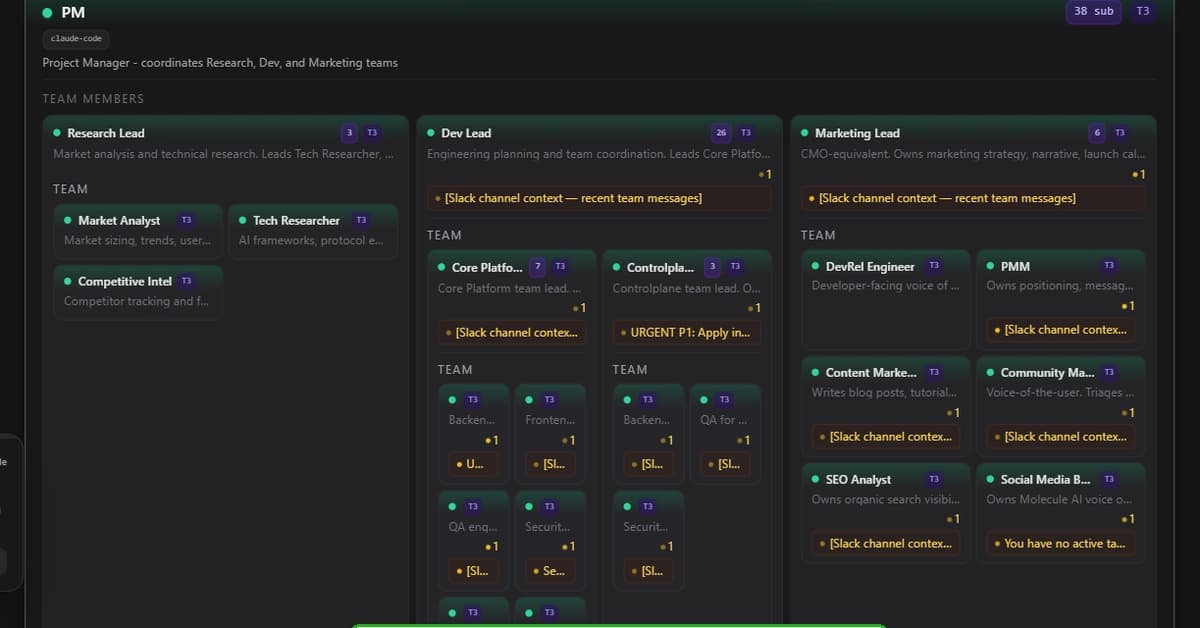
We built it during the NVIDIA DGX Spark Full-Stack AI Hackathon — and it ended up winning 1st place overall 🏆
Dev.to

Stop Losing Progress: Setting Up a Pro Jupyter Workflow in VS Code (No More Colab Timeouts!)
Dev.to
Building AgentOS: Why I’m Building the AWS Lambda for Insurance Claims
Dev.to

Where we are. In a year, everything has changed. Kimi - Minimax - Qwen - Gemma - GLM
Reddit r/LocalLLaMA


