
Tacit Knowledge Management with Generative AI: Proposal of the GenAI SECI Model
arXiv cs.AI / 3/24/2026
💬 OpinionSignals & Early TrendsIdeas & Deep AnalysisModels & Research
Key Points
- The paper argues that generative AI can significantly improve knowledge management, but existing work has mostly concentrated on explicit knowledge rather than integrating tacit knowledge as well.
- It proposes the “GenAI SECI” model, an updated SECI (Socialization, Externalization, Combination, Internalization) framework specifically redesigned to leverage generative AI for knowledge creation.
- A key contribution is the introduction of “Digital Fragmented Knowledge,” a concept meant to integrate tacit and explicit knowledge within cyberspace.
- The authors also present a concrete system architecture for the proposed model and compare it to earlier research models with similar goals.
- Overall, the work aims to systematize how organizations can model and manage both tacit and explicit knowledge in an integrated manner using GenAI.
Related Articles
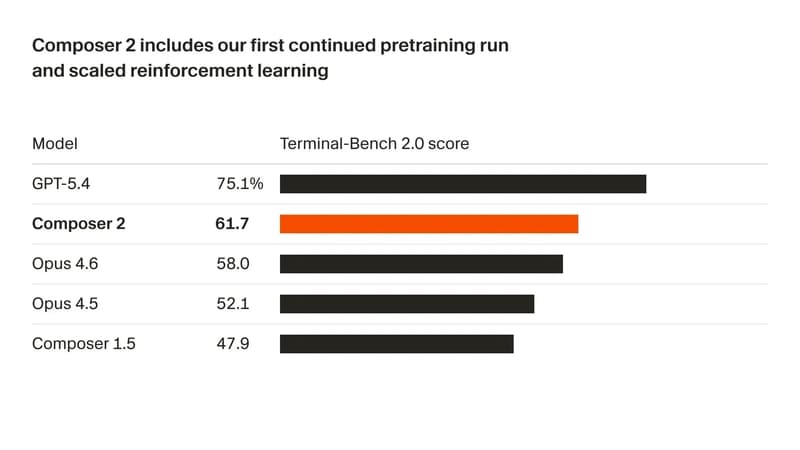
Composer 2: What is new and Compares with Claude Opus 4.6 & GPT-5.4
Dev.to
How UCP Breaks Your E-Commerce Tracking Stack: A Platform-by-Platform Analysis
Dev.to
AI Text Analyzer vs Asking Friends: Which Gives Better Perspective?
Dev.to
[D] Cathie wood claims ai productivity wave is starting, data shows 43% of ceos save 8+ hours weekly
Reddit r/MachineLearning

Microsoft hires top AI researchers from Allen Institute for AI for Suleyman's Superintelligence team
THE DECODER


