
Evaluating Generative Models as Interactive Emergent Representations of Human-Like Collaborative Behavior
arXiv cs.RO / 5/6/2026
💬 OpinionIdeas & Deep AnalysisModels & Research
Key Points
- The paper investigates whether embodied foundation-model agents develop emergent, human-like collaborative behaviors that suggest they form internal “mental models” of human collaborators.
- It introduces a 2D color-matching collaborative game where LLM agents and humans coordinate, defining five behavioral indicators (perspective-taking, collaborator-aware planning, introspection, theory of mind, and clarification).
- Using an LLM-based automated judge system, the study detects these behaviors with fair-to-substantial agreement compared with human annotations.
- The results suggest foundation models can show these collaboration behaviors consistently even without explicit training for them, with behavior frequencies and patterns varying across different LLMs.
- A user study found participants generally had positive experiences and perceived collaboration as effective, while requesting improvements such as faster response times and more human-like interaction pacing.
Related Articles

Top 10 Free AI Tools for Students in 2026: The Ultimate Study Guide
Dev.to

AI as Your Contingency Co-Pilot: Automating Wedding Day 'What-Ifs'
Dev.to
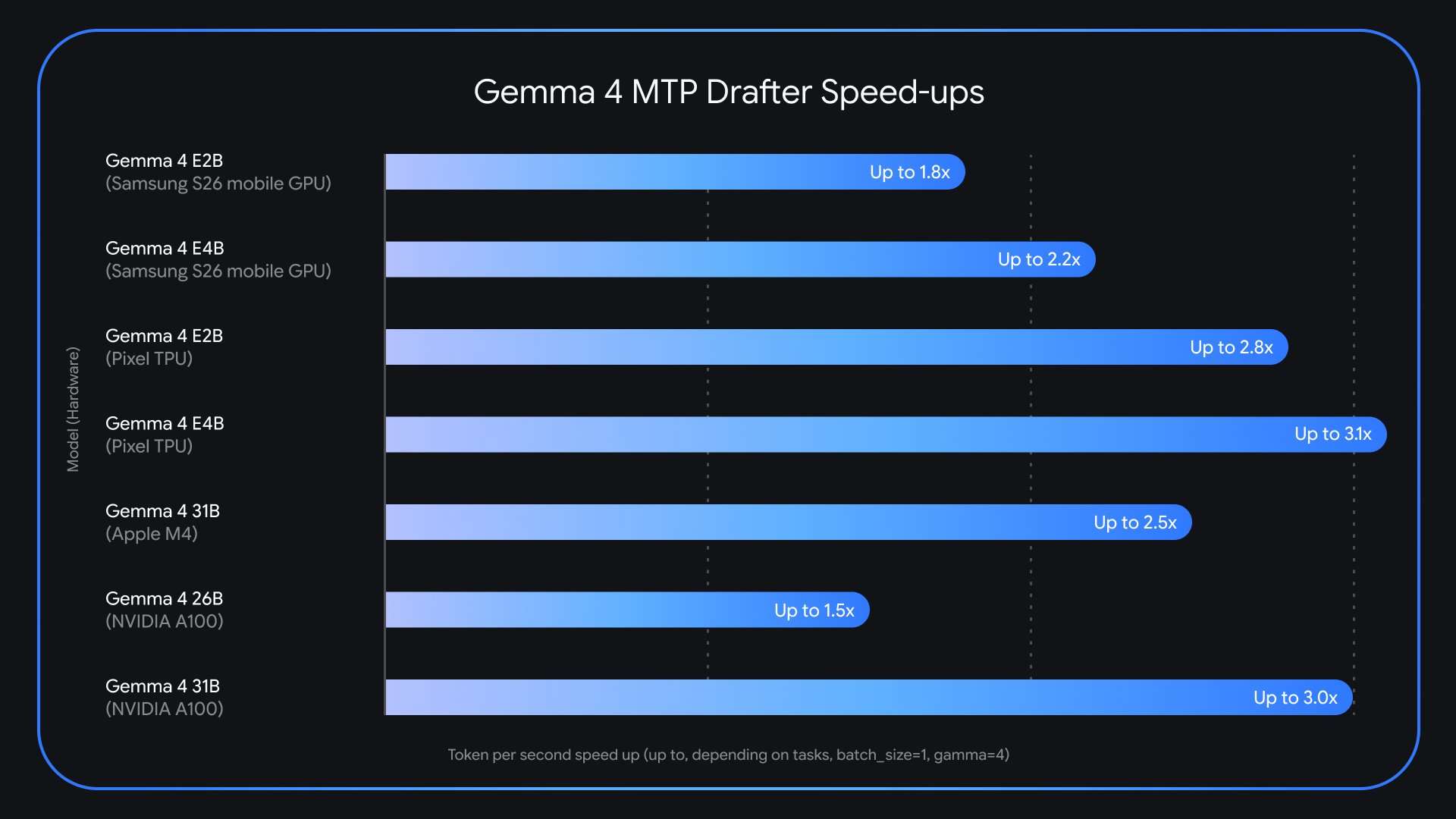
Google AI Releases Multi-Token Prediction (MTP) Drafters for Gemma 4: Delivering Up to 3x Faster Inference Without Quality Loss
MarkTechPost
When Claude Hallucinates in Court: The Latham & Watkins Incident and What It Means for Attorney Liability
MarkTechPost
Solidity LM surpasses Opus
Reddit r/LocalLLaMA


