
When AI Gets it Wong: Reliability and Risk in AI-Assisted Medication Decision Systems
arXiv cs.LG / 4/3/2026
💬 OpinionIdeas & Deep AnalysisModels & Research
Key Points
- The paper argues that although AI medication decision systems score well on standard benchmarks, their real-world reliability is not well understood in safety-critical medication management.
- It evaluates AI performance through controlled, simulated scenarios that analyze how specific failure modes arise, including missed drug interactions, incorrect risk flagging, and inappropriate dosage recommendations.
- The findings indicate that AI mistakes can cause serious patient harm, such as adverse drug reactions, ineffective treatment, or delayed care—especially when human oversight is insufficient.
- It warns against over-reliance on AI outputs and highlights risks driven by limited transparency into how recommendations are generated.
- The authors propose complementing aggregate performance metrics with risk-aware, failure-behavior-focused evaluation tailored to healthcare safety requirements.
Related Articles

90000 Tech Workers Got Fired This Year and Everyone Is Blaming AI but Thats Not the Whole Story
Dev.to

Microsoft’s $10 Billion Japan Bet Shows the Next AI Battleground Is National Infrastructure
Dev.to
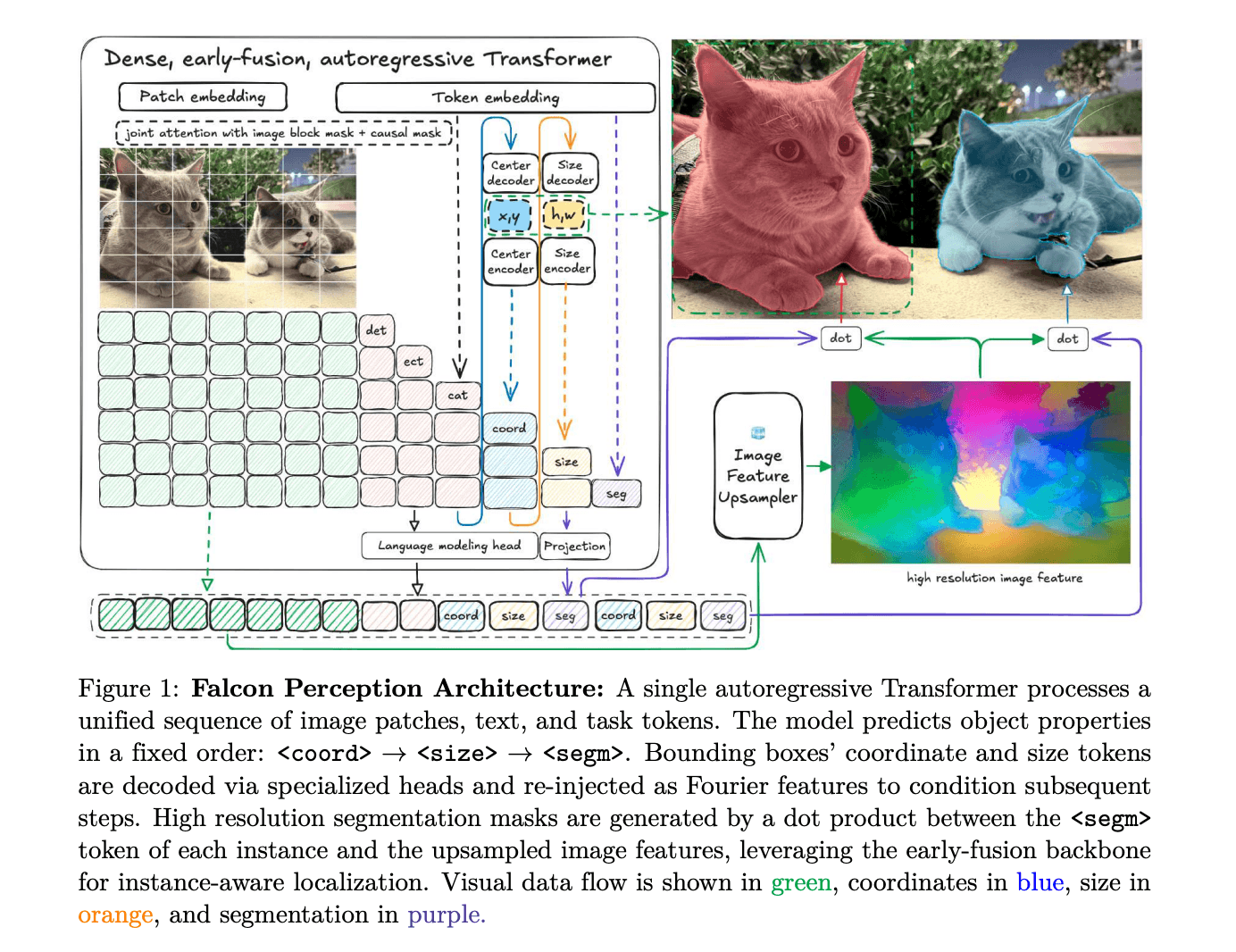
TII Releases Falcon Perception: A 0.6B-Parameter Early-Fusion Transformer for Open-Vocabulary Grounding and Segmentation from Natural Language Prompts
MarkTechPost
The house asked me a question
Dev.to

Precision Clip Selection: How AI Suggests Your In and Out Points
Dev.to


