
Intern-Atlas: A Methodological Evolution Graph as Research Infrastructure for AI Scientists
arXiv cs.AI / 5/1/2026
📰 NewsDeveloper Stack & InfrastructureSignals & Early TrendsIdeas & Deep AnalysisModels & Research
Key Points
- The paper argues that today’s research infrastructure is largely document-centric and cannot explicitly represent how research methods evolve and relate over time.
- It introduces Intern-Atlas, a methodological evolution graph that extracts method-level entities, infers relationships and lineage among methodologies, and records bottlenecks driving transitions, with evidence tied to source text.
- The system is built from 1,030,314 AI-related papers and produces a large causal network containing 9,410,201 semantically typed, evidence-grounded edges.
- It proposes a self-guided temporal tree search algorithm to construct evolution chains and reports strong alignment with expert-curated ground-truth examples.
- The authors show Intern-Atlas can support downstream tasks such as idea evaluation and automated idea generation, positioning method-evolution graphs as a foundation for automated scientific discovery.
💡 Insights using this article
This article is featured in our daily AI news digest — key takeaways and action items at a glance.
Related Articles

Why Autonomous Coding Agents Keep Failing — And What Actually Works
Dev.to

Text-to-image is easy. Chaining LLMs to generate, critique, and iterate on images autonomously is a routing nightmare. AgentSwarms now supports Image generation playground and creative media workflows!
Reddit r/artificial

Why Enterprise AI Pilots Fail
Dev.to
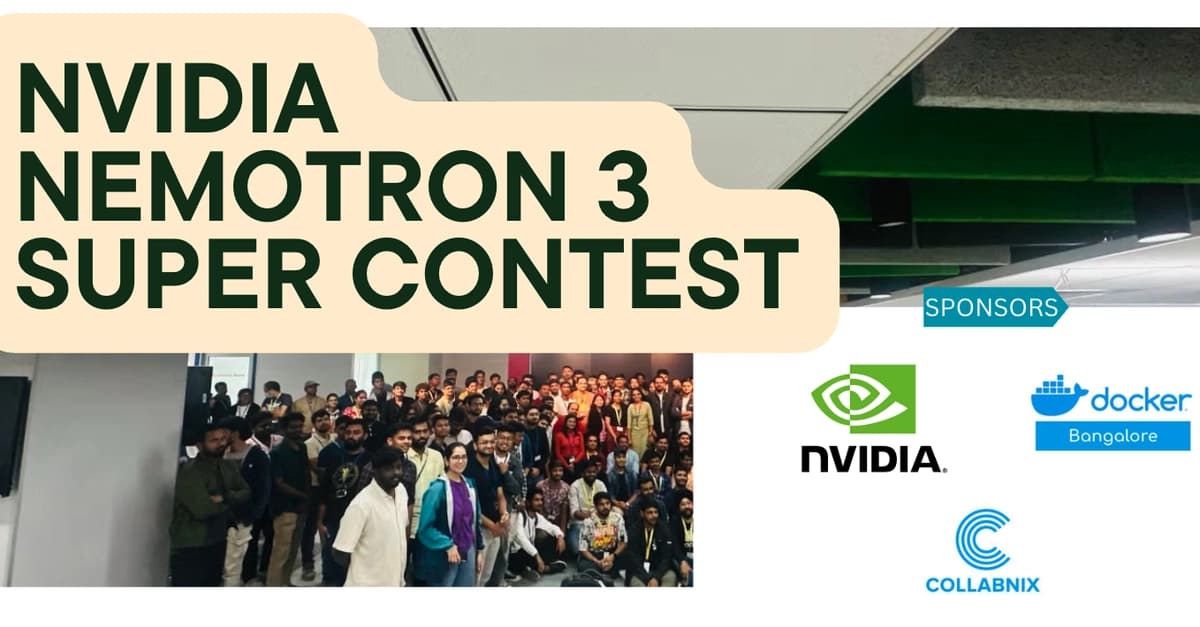
Announcing the NVIDIA Nemotron 3 Super Build Contest
Dev.to
75% of Sites Blocking AI Bots Still Get Cited. Here Is Why Blocking Does Not Work.
Dev.to


