
MILE: Mixture of Incremental LoRA Experts for Continual Semantic Segmentation across Domains and Modalities
arXiv cs.CV / 5/6/2026
📰 NewsIdeas & Deep AnalysisModels & Research
Key Points
- The paper proposes MILE, a modular, parameter-efficient approach for continual semantic segmentation that learns new domains or modalities without degrading past performance.
- MILE uses LoRA to add lightweight expert modules per new task while keeping the pretrained base network frozen, reducing catastrophic forgetting.
- A prototype-guided gating mechanism dynamically chooses the best expert during inference for improved task/domain/modal alignment.
- The authors report that MILE delivers strong benchmark results with better stability, plasticity, and scalability, using only a small parameter increase per task and far fewer storage costs than full model expansions.
Related Articles

Top 10 Free AI Tools for Students in 2026: The Ultimate Study Guide
Dev.to

AI as Your Contingency Co-Pilot: Automating Wedding Day 'What-Ifs'
Dev.to
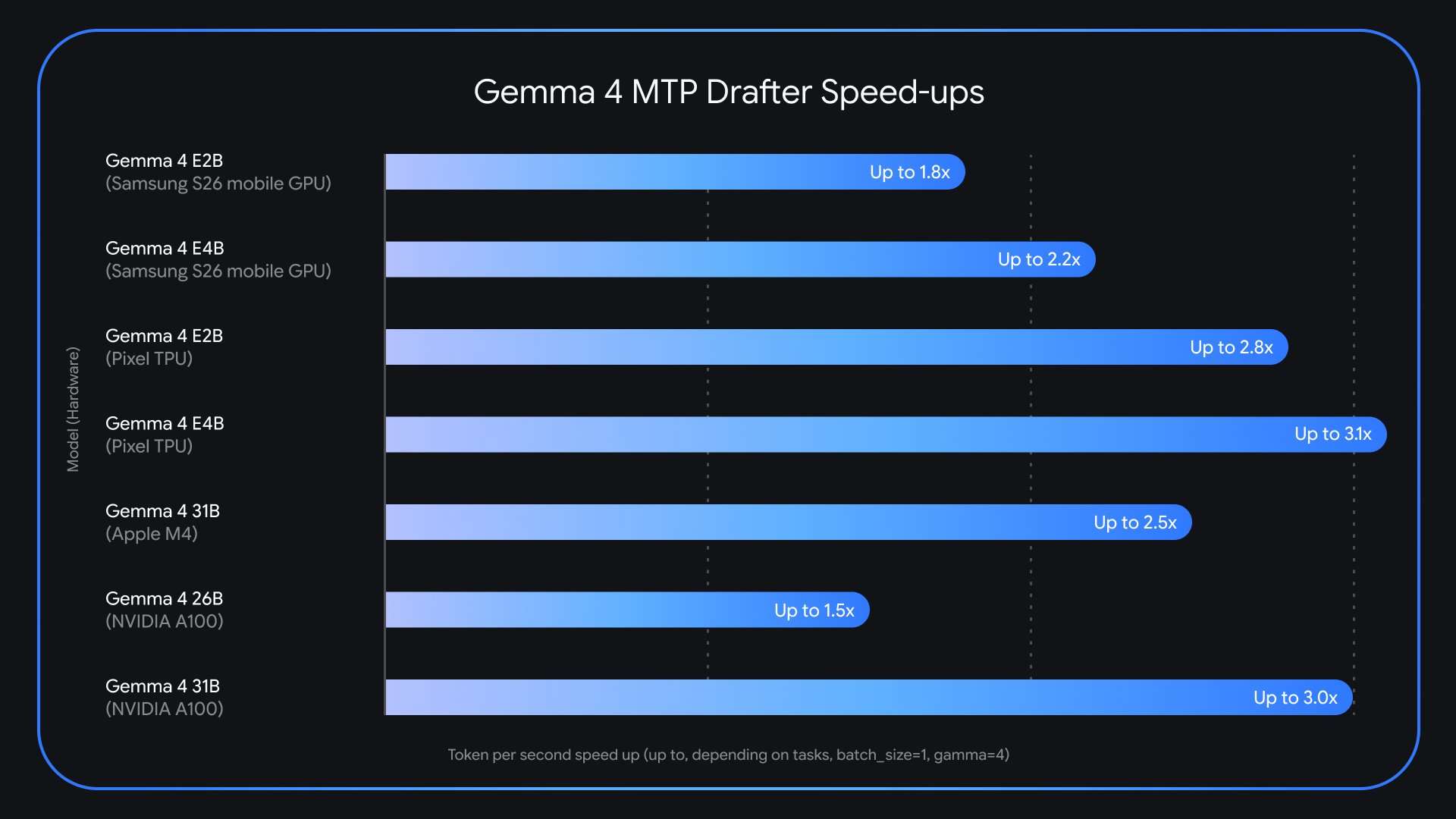
Google AI Releases Multi-Token Prediction (MTP) Drafters for Gemma 4: Delivering Up to 3x Faster Inference Without Quality Loss
MarkTechPost
When Claude Hallucinates in Court: The Latham & Watkins Incident and What It Means for Attorney Liability
MarkTechPost
Solidity LM surpasses Opus
Reddit r/LocalLLaMA


