
How Far Are We? Systematic Evaluation of LLMs vs. Human Experts in Mathematical Contest in Modeling
arXiv cs.CL / 4/7/2026
💬 OpinionIdeas & Deep AnalysisModels & Research
Key Points
- The paper proposes a stage-wise, problem-oriented evaluation framework to test LLM end-to-end mathematical modeling ability using expert-verified criteria across workflow stages.
- It validates the framework by showing stronger agreement between its automatic scores and independent human expert judgments than existing evaluation schemes on contest problems.
- Results reveal a persistent “comprehension–execution gap”: LLMs do well at early stages (problem identification and formulation) but struggle in execution stages such as solving, code implementation, and result analysis.
- The study finds that simply scaling up model size does not eliminate these gaps, and attributes failures to insufficient specification, missing verification, and lack of validation with errors propagating across stages.
- The authors argue that closing the gap will require methods beyond scaling, offering guidance for deploying LLMs on complex real-world problem-solving workflows.
Related Articles

Big Tech firms are accelerating AI investments and integration, while regulators and companies focus on safety and responsible adoption.
Dev.to

Could it be that this take is not too far fetched?
Reddit r/LocalLLaMA
npm audit Is Broken — Here's the Claude Code Skill I Built to Fix It
Dev.to

Meta Launches Muse Spark: A New AI Model for Everyday Use
Dev.to
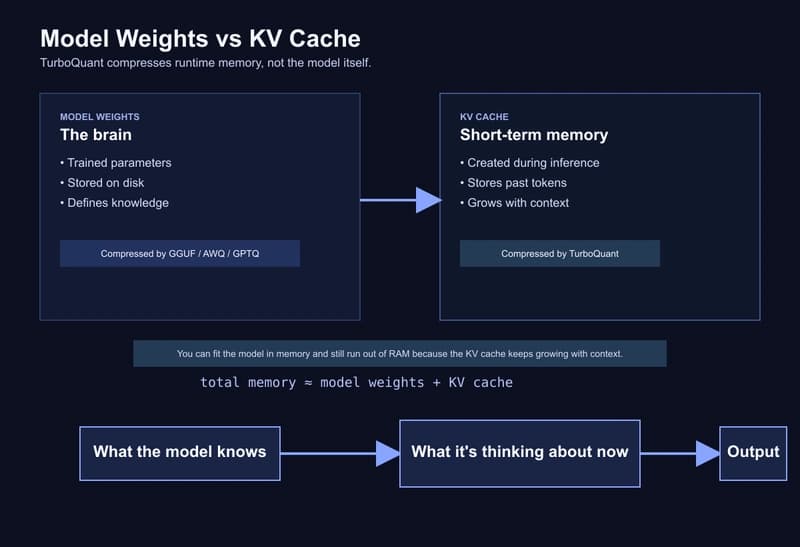
TurboQuant on a MacBook: building a one-command local stack with Ollama, MLX, and an automatic routing proxy
Dev.to


