
AI Token Futures Market: Commoditization of Compute and Derivatives Contract Design
arXiv cs.AI / 3/24/2026
💬 OpinionSignals & Early TrendsIdeas & Deep AnalysisModels & Research
Key Points
- The paper argues that tokens used for AI inference are increasingly behaving like a commodity, shifting from “intelligent service outputs” toward “raw materials” for compute infrastructure.
- It compares AI tokens to established commodities such as electricity, carbon allowances, and bandwidth, drawing on commodity financialization theory and electricity futures market experience.
- The authors propose a standardized token futures contract framework, including a definition of a Standard Inference Token (SIT), contract specs, settlement, margining, and market-maker rules.
- Using a mean-reverting jump-diffusion model with Monte Carlo simulation, the paper finds token futures could reduce application-layer enterprises’ compute cost volatility by 62%–78% under a demand surge scenario.
- It also discusses the potential for GPU compute futures and outlines a regulatory framework, positioning the work as a roadmap for financializing compute resources.
Related Articles
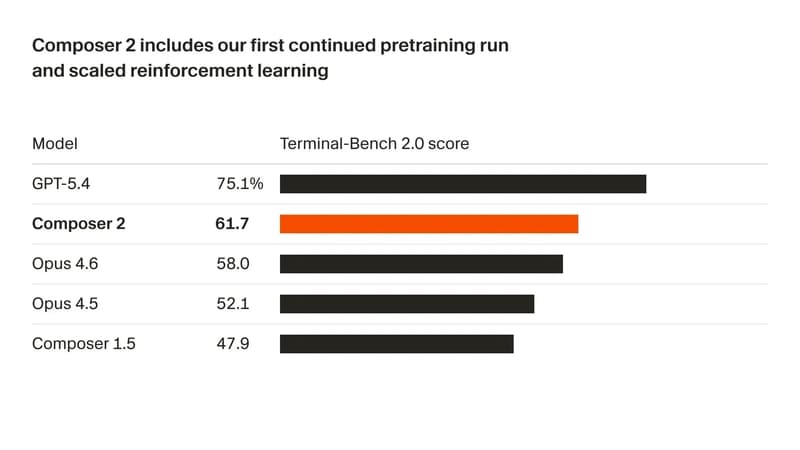
Composer 2: What is new and Compares with Claude Opus 4.6 & GPT-5.4
Dev.to
How UCP Breaks Your E-Commerce Tracking Stack: A Platform-by-Platform Analysis
Dev.to
AI Text Analyzer vs Asking Friends: Which Gives Better Perspective?
Dev.to
[D] Cathie wood claims ai productivity wave is starting, data shows 43% of ceos save 8+ hours weekly
Reddit r/MachineLearning

Microsoft hires top AI researchers from Allen Institute for AI for Suleyman's Superintelligence team
THE DECODER


