
Learning to Theorize the World from Observation
arXiv cs.LG / 5/6/2026
📰 NewsIdeas & Deep AnalysisModels & Research
Key Points
- The paper argues that “understanding the world” should be modeled as building explicit internal theories, not only as making accurate future predictions from observations.
- It introduces a new learning paradigm, Learning-to-Theorize, aimed at inferring explicit explanatory theories from raw, non-text observations.
- The authors instantiate the paradigm with Neural Theorizer (NEO), a probabilistic neural model that induces latent programs as a learned Language of Thought and runs them via a shared transition model.
- In NEO, theories are represented as executable compositional programs whose primitives can be recombined to explain unseen phenomena.
- Experiments indicate that this approach supports explanation-driven generalization, where new observations are interpreted through the programs that generate them.
Related Articles

Top 10 Free AI Tools for Students in 2026: The Ultimate Study Guide
Dev.to

AI as Your Contingency Co-Pilot: Automating Wedding Day 'What-Ifs'
Dev.to
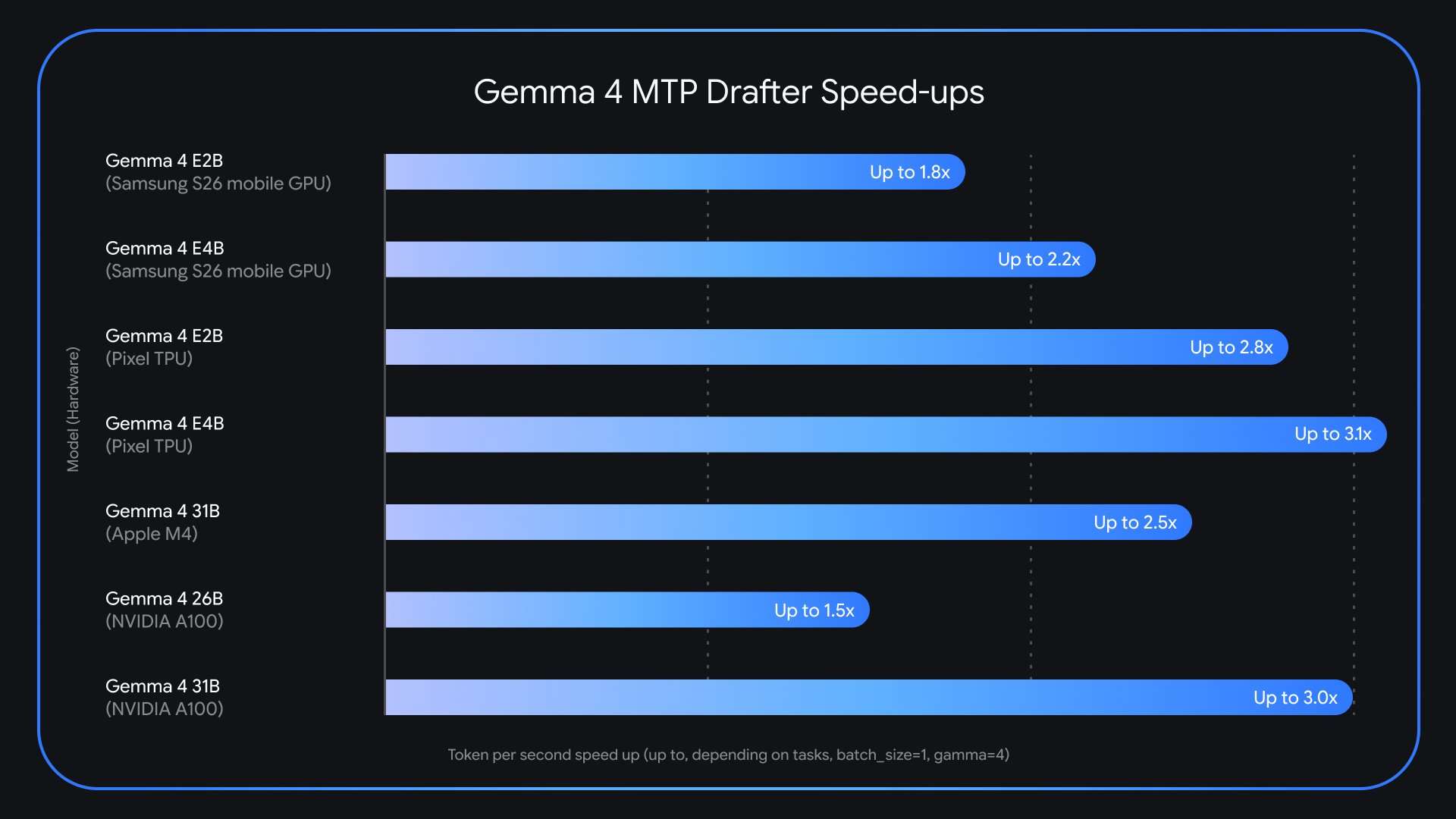
Google AI Releases Multi-Token Prediction (MTP) Drafters for Gemma 4: Delivering Up to 3x Faster Inference Without Quality Loss
MarkTechPost
When Claude Hallucinates in Court: The Latham & Watkins Incident and What It Means for Attorney Liability
MarkTechPost
Solidity LM surpasses Opus
Reddit r/LocalLLaMA


