
Not My Truce: Personality Differences in AI-Mediated Workplace Negotiation
arXiv cs.CL / 4/3/2026
💬 OpinionIdeas & Deep AnalysisModels & Research
Key Points
- The paper investigates whether AI-mediated workplace negotiation coaching works uniformly or whether individual differences, especially personality traits, moderate outcomes.
- In a between-subjects experiment (N=267), participants were assigned to theory-driven AI coaching (Trucey), general-purpose AI coaching (Control-AI), or a traditional negotiation handbook (Control-NoAI).
- Participants were clustered into personality profiles (resilient, overcontrolled, undercontrolled) using Big-Five and ARC typology, revealing distinct effectiveness patterns across groups.
- Resilient workers gained broad psychological improvements mainly from the handbook, while overcontrolled workers benefited more selectively from the theory-driven AI.
- Undercontrolled workers showed minimal impact from engaging with the AI and frameworks, suggesting adaptive systems should tune support intensity to user readiness rather than applying one-size-fits-all tailoring.
Related Articles

90000 Tech Workers Got Fired This Year and Everyone Is Blaming AI but Thats Not the Whole Story
Dev.to

Microsoft’s $10 Billion Japan Bet Shows the Next AI Battleground Is National Infrastructure
Dev.to
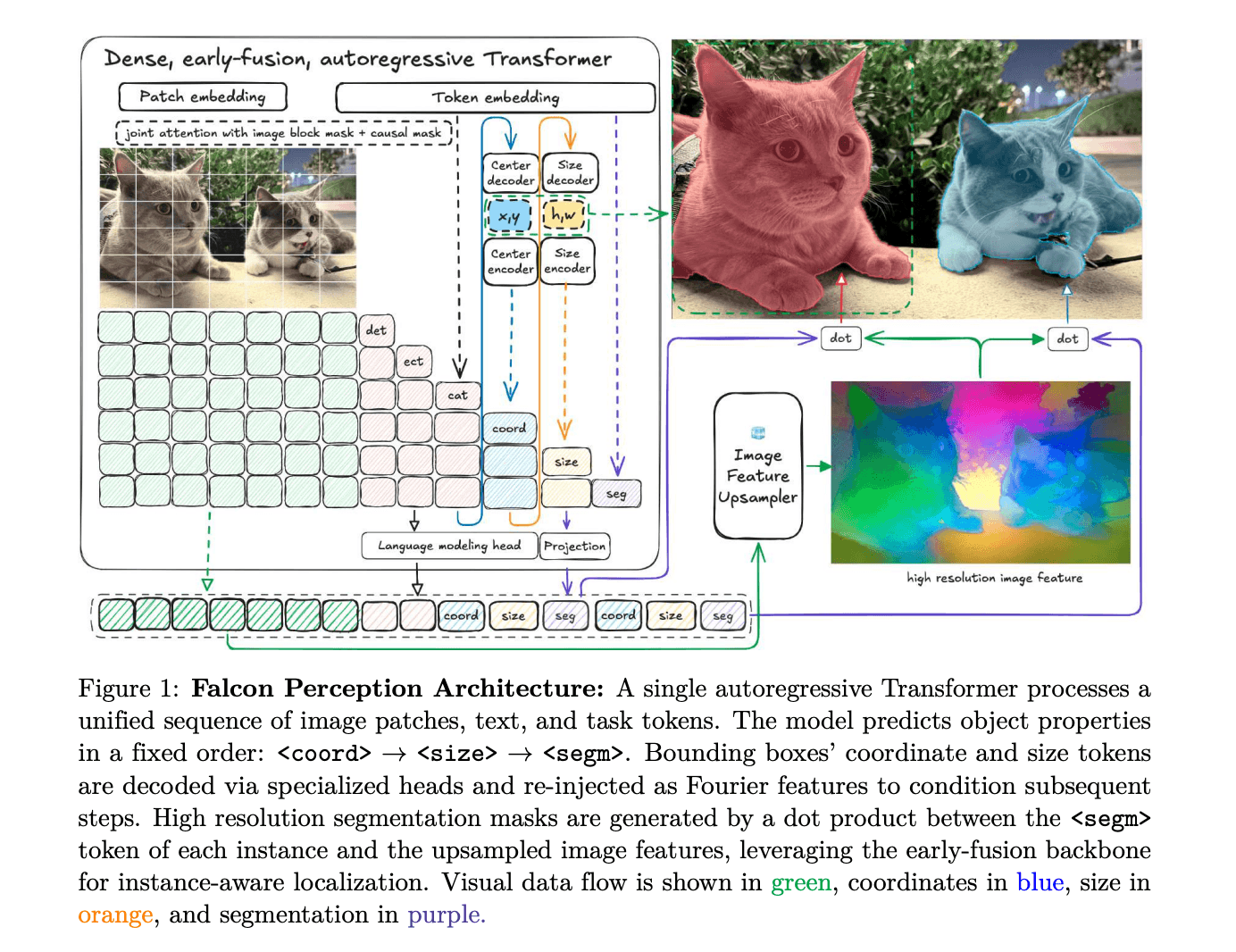
TII Releases Falcon Perception: A 0.6B-Parameter Early-Fusion Transformer for Open-Vocabulary Grounding and Segmentation from Natural Language Prompts
MarkTechPost
The house asked me a question
Dev.to

Precision Clip Selection: How AI Suggests Your In and Out Points
Dev.to


