
Gumbel Distillation for Parallel Text Generation
arXiv cs.CL / 3/24/2026
📰 NewsSignals & Early TrendsIdeas & Deep AnalysisModels & Research
Key Points
- The paper introduces “Gumbel Distillation,” a model-agnostic distillation method designed to improve the generation quality of parallel (non-autoregressive) language models.
- It uses the Gumbel-Max trick to create a deterministic mapping from latent Gumbel noise to output tokens generated by a high-performing autoregressive (AR) teacher.
- The authors report substantial quality gains in experiments on LM1B and OpenWebText, including a 30.0% MAUVE score improvement and a 10.5% generative perplexity improvement over a MDLM baseline.
- The method is described as compatible with multiple parallel decoding architectures, specifically including MDLM and BD3-LM, and the code is released publicly.
Related Articles

Lemonade 10.0.1 improves setup process for using AMD Ryzen AI NPUs on Linux
Reddit r/artificial
The 2026 Developer Showdown: Claude Code vs. Google Antigravity
Dev.to

Google March 2026 Spam Update: SEO Impact and What to Do Now | MKDM
Dev.to
CRM Development That Drives Growth
Dev.to
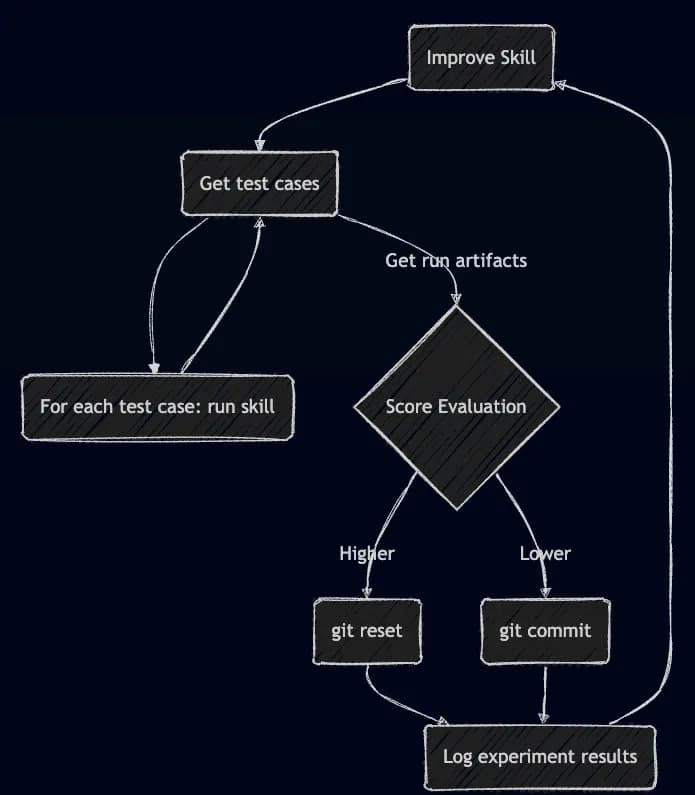
Karpathy's Autoresearch: Improving Agentic Coding Skills
Dev.to


