
A Lightweight Transformer for Pain Recognition from Brain Activity
arXiv cs.CV / 4/21/2026
📰 NewsDeveloper Stack & InfrastructureModels & Research
Key Points
- The paper proposes a lightweight transformer model for automated pain recognition using brain activity measured by fNIRS.
- It fuses multiple fNIRS signal views via a unified tokenization approach, allowing joint modeling of complementary modalities without modality-specific architectural changes.
- A structured token/mixing strategy is used to preserve spatial, temporal, and time-frequency characteristics while controlling the granularity of local vs. global interactions.
- Experiments on the AI4Pain dataset using stacked raw waveforms and power spectral density show competitive accuracy with low computational cost for near real-time inference on GPU and CPU.
- The work aims to make reliable pain assessment more practical by combining performance with deployability on resource-constrained hardware.
Related Articles

A practical guide to getting comfortable with AI coding tools
Dev.to
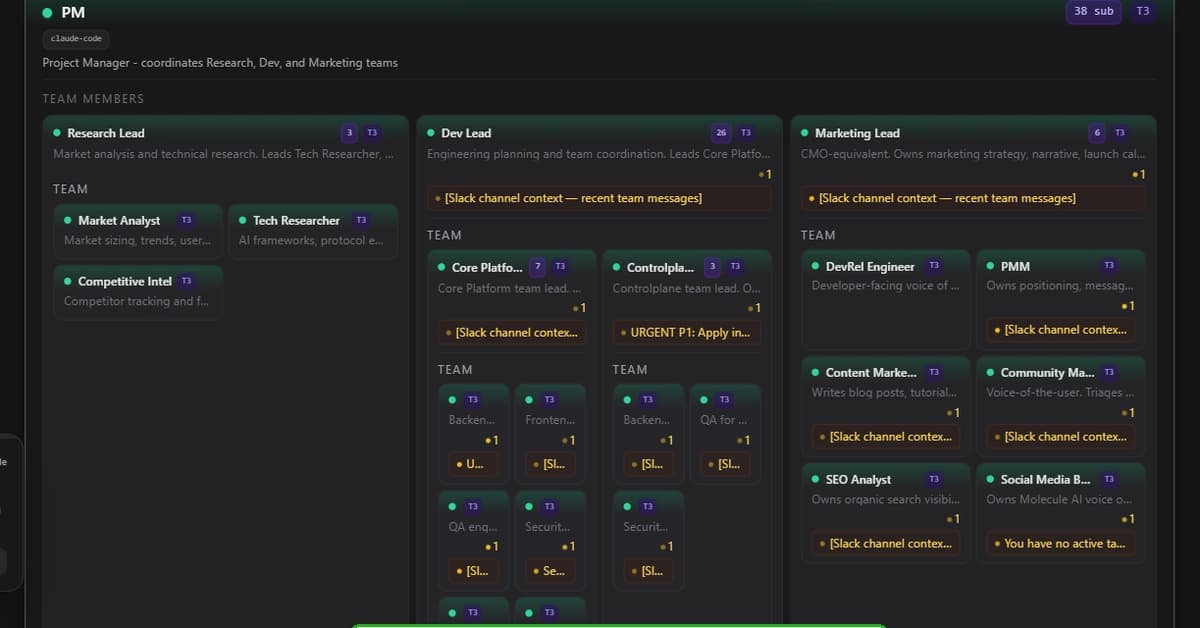
We built it during the NVIDIA DGX Spark Full-Stack AI Hackathon — and it ended up winning 1st place overall 🏆
Dev.to

Stop Losing Progress: Setting Up a Pro Jupyter Workflow in VS Code (No More Colab Timeouts!)
Dev.to
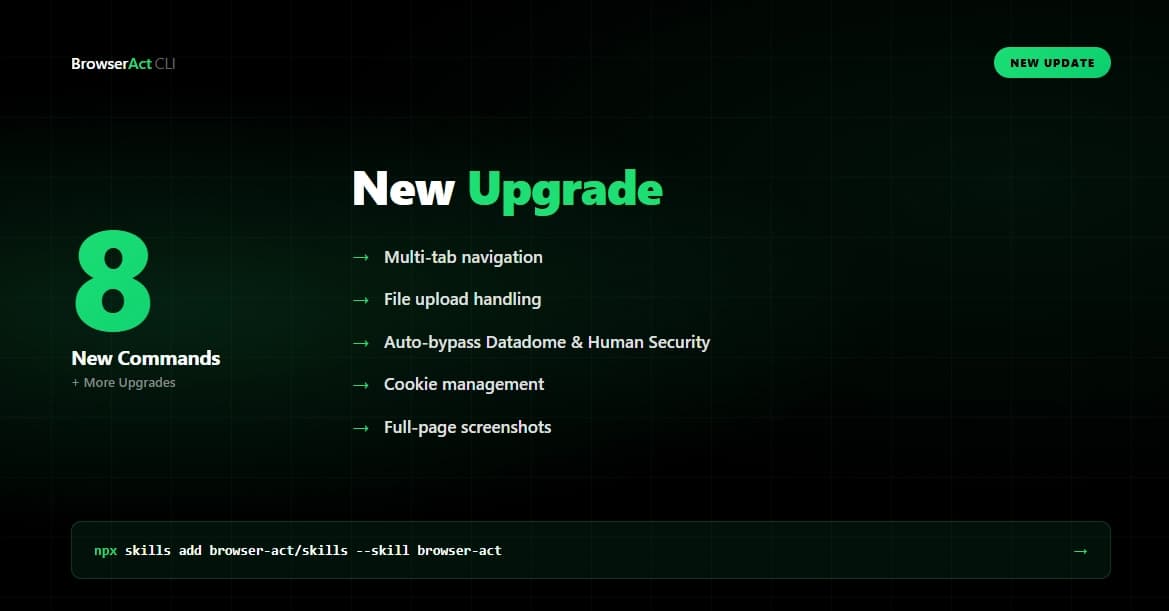
🚀 Major BrowserAct CLI Update
Dev.to

Building AgentOS: Why I’m Building the AWS Lambda for Insurance Claims
Dev.to


