
Neuromorphic BrailleNet: Accurate and Generalizable Braille Reading Beyond Single Characters through Event-Based Optical Tactile Sensing
arXiv cs.RO / 4/21/2026
💬 OpinionDeveloper Stack & InfrastructureIdeas & Deep AnalysisModels & Research
Key Points
- The paper introduces “Neuromorphic BrailleNet,” a real-time system for continuous Braille reading that avoids slow, character-by-character robotic scanning.
- It uses Evetac, an open-source neuromorphic event-based optical tactile sensor that captures dynamic touch/contact events during continuous sliding, reducing latency versus frame-based approaches.
- The pipeline performs spatiotemporal segmentation and a lightweight ResNet-based classification to handle sparse event streams while remaining accurate across different indentation depths and scanning speeds.
- Results report near-perfect character recognition (≥98%) at standard depths, strong generalization across different Braille board layouts, and over 90% word-level accuracy on a real-world vocabulary board.
- The work suggests neuromorphic tactile sensing can be a scalable, low-latency solution for robotic Braille reading and broader assistive/robotic tactile perception tasks.
Related Articles
A practical guide to getting comfortable with AI coding tools
Dev.to

Every time a new model comes out, the old one is obsolete of course
Reddit r/LocalLLaMA
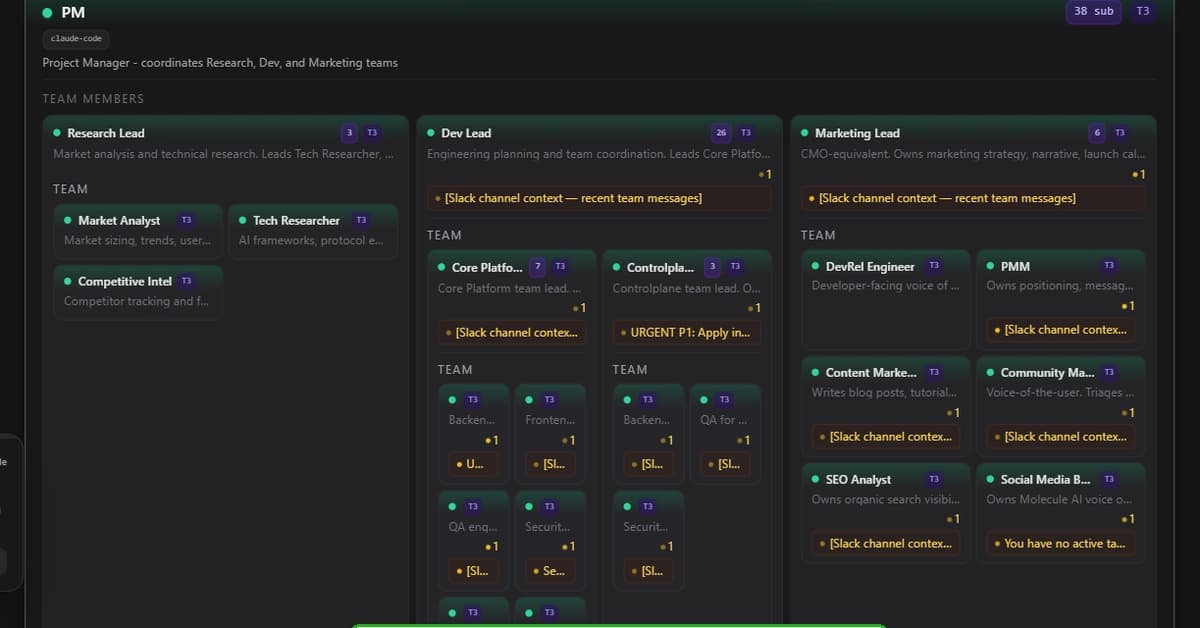
We built it during the NVIDIA DGX Spark Full-Stack AI Hackathon — and it ended up winning 1st place overall 🏆
Dev.to

Stop Losing Progress: Setting Up a Pro Jupyter Workflow in VS Code (No More Colab Timeouts!)
Dev.to
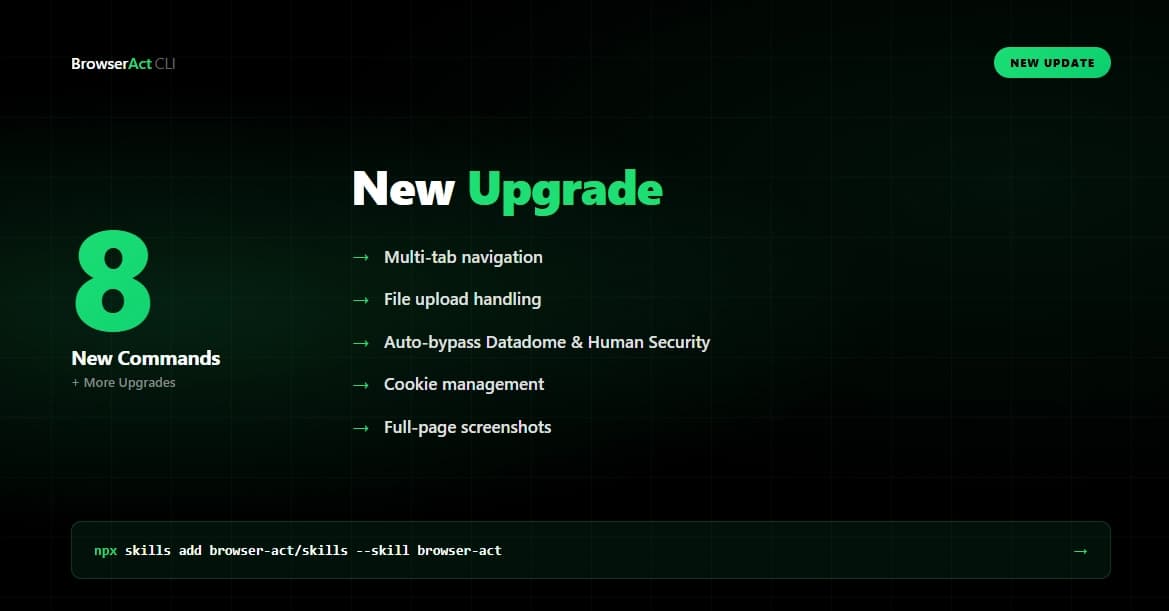
🚀 Major BrowserAct CLI Update
Dev.to


