
Modeling Quantum Federated Autoencoder for Anomaly Detection in IoT Networks
arXiv cs.AI / 3/25/2026
💬 OpinionSignals & Early TrendsIdeas & Deep AnalysisModels & Research
Key Points
- The paper proposes a “Quantum Federated Autoencoder” framework that combines quantum autoencoders with quantum federated learning to perform anomaly detection across IoT networks.
- It aims to improve efficiency, security, and privacy by training locally on edge devices while avoiding raw-data transmission and reducing communication overhead through decentralized learning.
- The method uses quantum autoencoders to build high-dimensional feature representations, targeting higher sensitivity for anomalies in complex, dynamic IoT traffic.
- Experiments on a real-world IoT dataset indicate anomaly detection accuracy and robustness comparable to centralized approaches, while maintaining privacy guarantees.
Related Articles

Lemonade 10.0.1 improves setup process for using AMD Ryzen AI NPUs on Linux
Reddit r/artificial
The 2026 Developer Showdown: Claude Code vs. Google Antigravity
Dev.to

Google March 2026 Spam Update: SEO Impact and What to Do Now | MKDM
Dev.to
CRM Development That Drives Growth
Dev.to
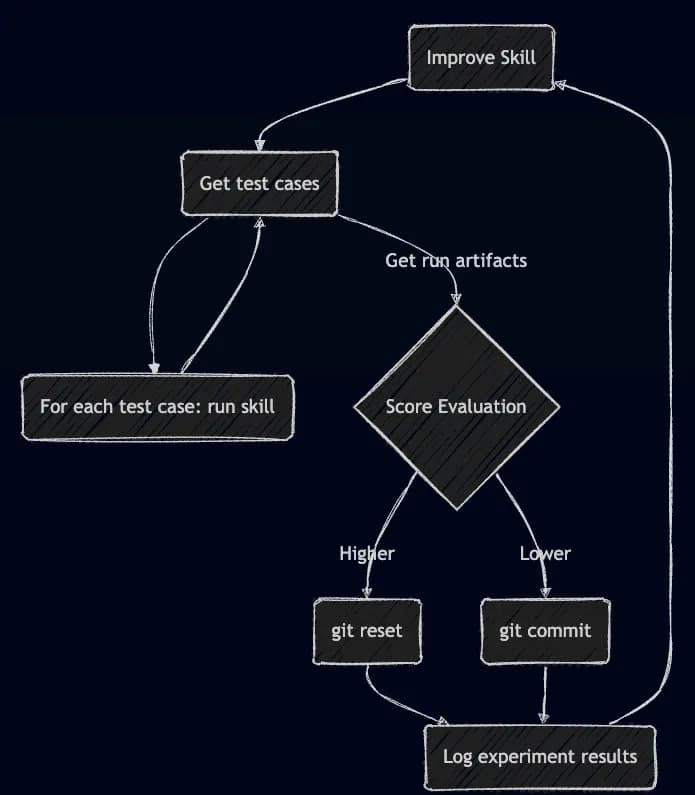
Karpathy's Autoresearch: Improving Agentic Coding Skills
Dev.to


