
Regularizing Attention Scores with Bootstrapping
arXiv cs.LG / 4/3/2026
💬 OpinionIdeas & Deep AnalysisTools & Practical UsageModels & Research
Key Points
- 本論文は、ViTの注意スコアがほぼ常に非ゼロであることによるノイズや拡散が解釈性を損なっている点に着目し、注意スコアの不確実性を統計的に扱う枠組みを提案しています。
- 入力特徴をリサンプリングして注意スコアのブートストラップ分布を作り、その分布から有意性(significance)や事後確率(posterior probability)を推定して、正則化された注意スコアを得る「Attention Regularization」を導入しています。
- 自然画像・医用画像の実験で、ノイズ起因のスプリアスな注意を除去し、shrinkageとsparsityを大きく改善することを示しています。
- シミュレーションと実データの双方で定量評価を行い、注意スコアを説明として用いる際の実用的な正則化手段としてブートストラップが有効であることを強調しています。
- コードが公開されており、提案手法を再現・検証しやすい形で提供されています。
Related Articles

Black Hat USA
AI Business

Black Hat Asia
AI Business

90000 Tech Workers Got Fired This Year and Everyone Is Blaming AI but Thats Not the Whole Story
Dev.to

Microsoft’s $10 Billion Japan Bet Shows the Next AI Battleground Is National Infrastructure
Dev.to
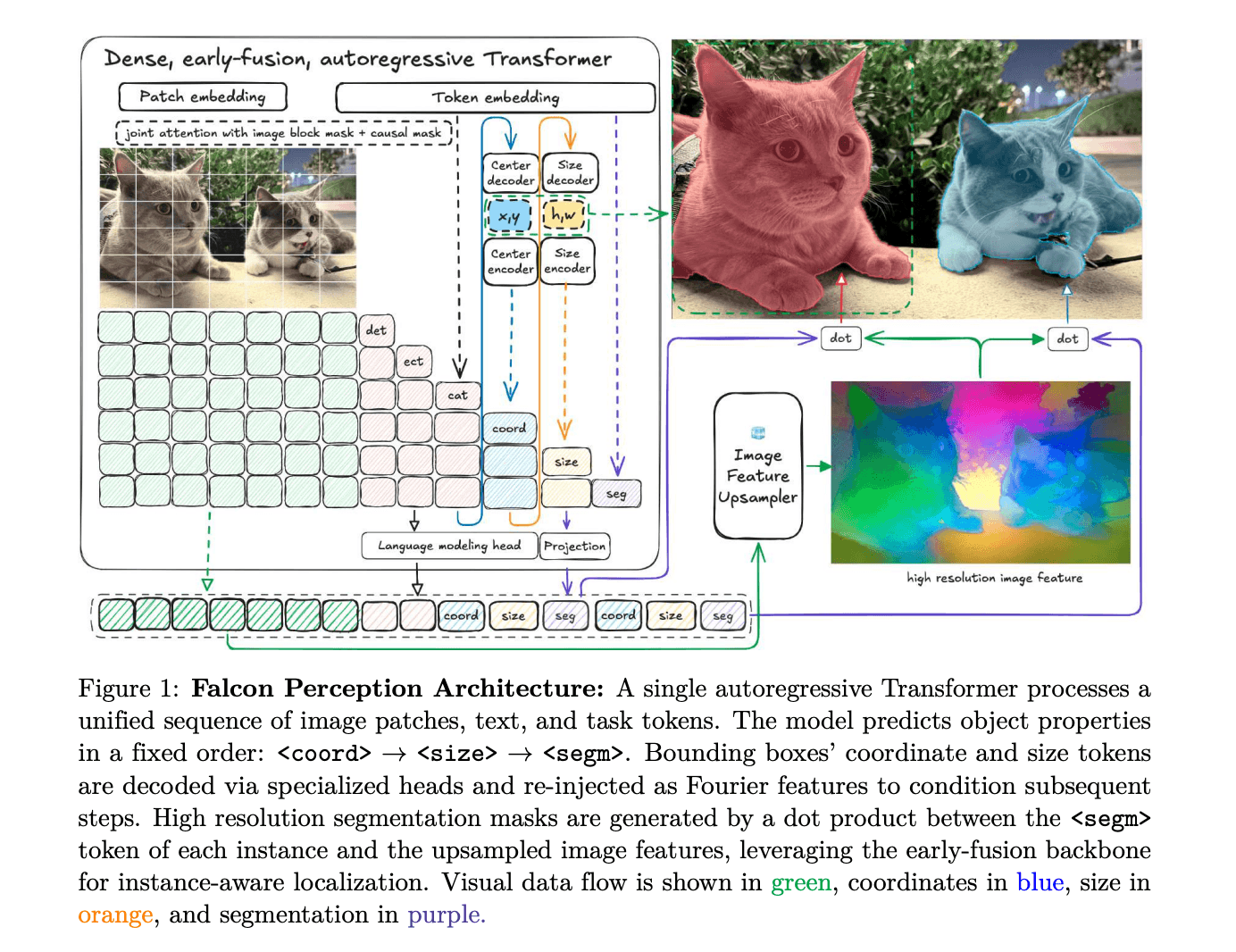
TII Releases Falcon Perception: A 0.6B-Parameter Early-Fusion Transformer for Open-Vocabulary Grounding and Segmentation from Natural Language Prompts
MarkTechPost


