
AI Identity: Standards, Gaps, and Research Directions for AI Agents
arXiv cs.AI / 4/28/2026
💬 OpinionDeveloper Stack & InfrastructureIdeas & Deep AnalysisModels & Research
Key Points
- The paper argues that as AI agents carry out real, cross-boundary transactions and workflows without continuous human supervision, existing infrastructure cannot adequately handle the problem of identifying, verifying, and holding such agents accountable.
- It defines “AI Identity” as a continuous match—within confidence bounds—between what an agent is declared to be and what it is observed to do over time.
- A structured comparison shows fundamental asymmetries between human and AI identity across substrate, persistence, verifiability, and legal standing, implying that directly extending human identity frameworks will cause systematic failures.
- The authors evaluate current technical and regulatory documents and conclude none sufficiently meet the governance needs of nondeterministic, boundary-crossing autonomous agents.
- They identify five structural gaps—intent verification, recursive delegation accountability, agent identity integrity, governance opacity/enforcement, and operational sustainability—stating that additional engineering alone will not close them and that foundational research is required.
Related Articles

Big Tech firms are accelerating AI investments and integration, while regulators and companies focus on safety and responsible adoption.
Dev.to
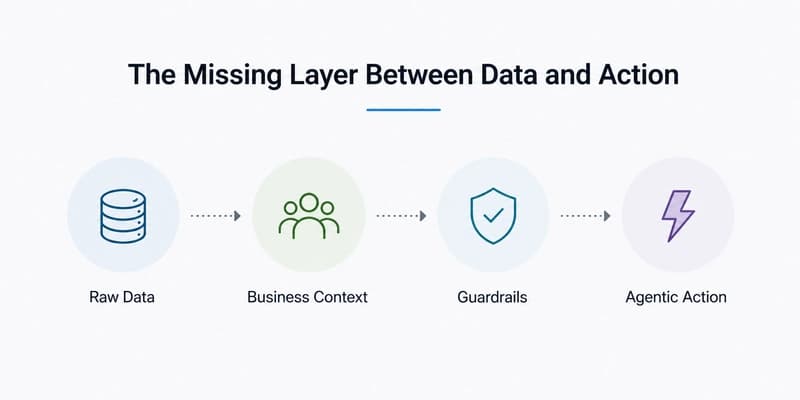
Everyone Wants AI Agents. Fewer Teams Are Ready for the Messy Business Context Behind Them
Dev.to
How to Build Traceable and Evaluated LLM Workflows Using Promptflow, Prompty, and OpenAI
MarkTechPost
AI 编程工具对比 2026:Claude Code vs Cursor vs Gemini CLI vs Codex
Dev.to

How I Improved My YouTube Shorts and Podcast Audio Workflow with AI Tools
Dev.to


