
Partial Effective Information Decomposition for Synergistic Causality
arXiv stat.ML / 5/6/2026
📰 NewsIdeas & Deep AnalysisModels & Research
Key Points
- The paper introduces Partial Effective Information Decomposition (PEID), a framework to decompose how multiple source variables influence a target variable into unique and synergistic information under maximum-entropy interventions.
- It shows that, in the three-variable setting, PEID is theoretically consistent with key axioms of Partial Information Decomposition (PID), and that maximum-entropy interventions eliminate input correlations so redundancy can vanish.
- The authors argue that PEID enables a unified, computable characterization of synergistic causality, including the ability to define causal graphs with hyperedges and downward causation for cross-scale mechanisms.
- In experiments on a machine-learning-based air quality forecasting task using KnowAir-V2, PEID extracts interpretable inter-station causal structures from a learned dynamical model.
- Overall, the work positions PEID as a general interventionist information-theoretic tool for analyzing multivariate and synergistic causal mechanisms in complex systems.
Related Articles

Top 10 Free AI Tools for Students in 2026: The Ultimate Study Guide
Dev.to

AI as Your Contingency Co-Pilot: Automating Wedding Day 'What-Ifs'
Dev.to
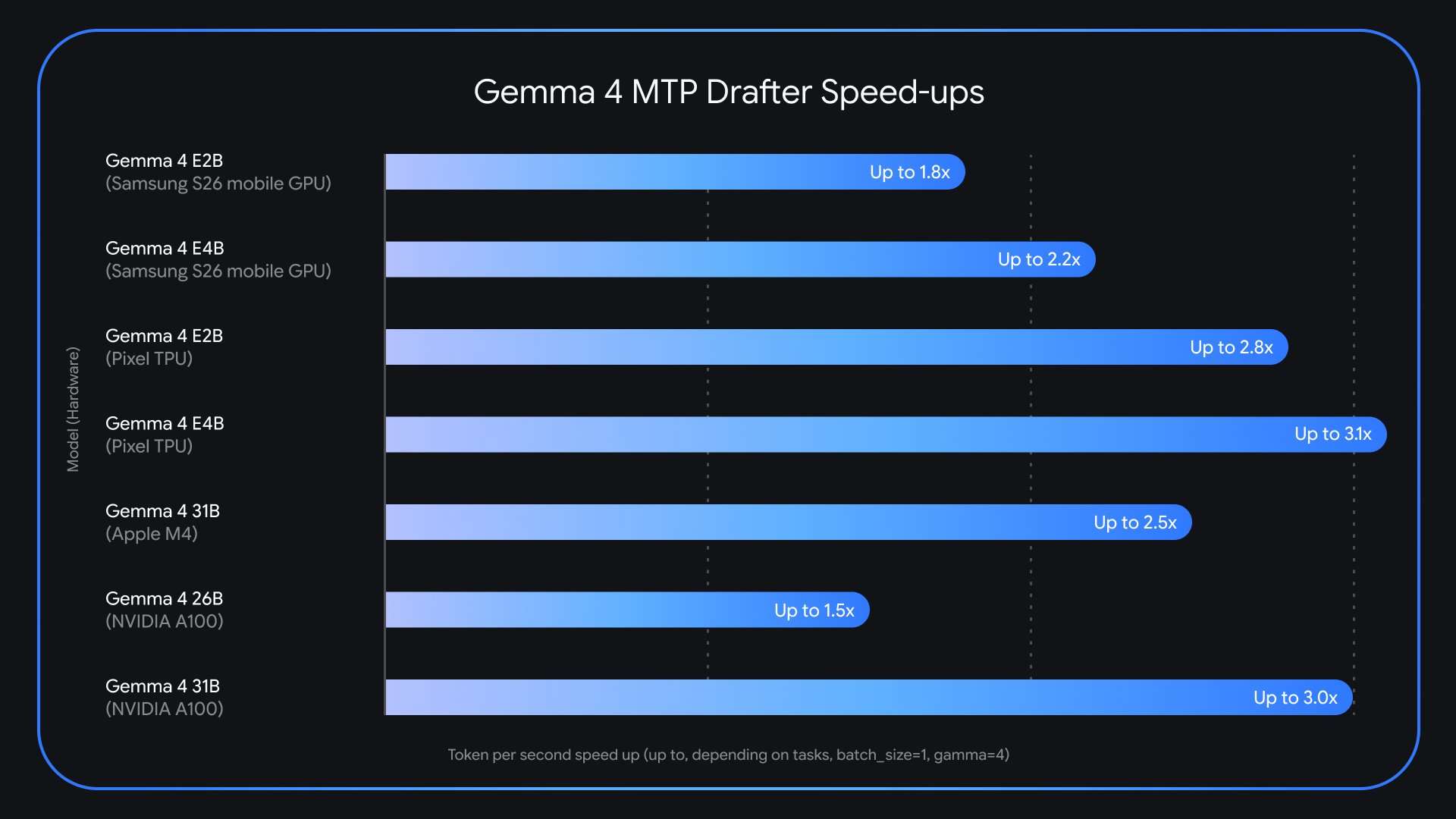
Google AI Releases Multi-Token Prediction (MTP) Drafters for Gemma 4: Delivering Up to 3x Faster Inference Without Quality Loss
MarkTechPost
When Claude Hallucinates in Court: The Latham & Watkins Incident and What It Means for Attorney Liability
MarkTechPost
Solidity LM surpasses Opus
Reddit r/LocalLLaMA


