
Thermodynamic-Inspired Explainable GeoAI: Uncovering Regime-Dependent Mechanisms in Heterogeneous Spatial Systems
arXiv cs.AI / 4/7/2026
💬 OpinionSignals & Early TrendsIdeas & Deep AnalysisModels & Research
Key Points
- The paper proposes a thermodynamics-inspired explainable GeoAI framework that models spatial heterogeneity as a competition between “Burden” (E) and “Capacity” (S) using statistical mechanics combined with graph neural networks.
Related Articles

Black Hat Asia
AI Business
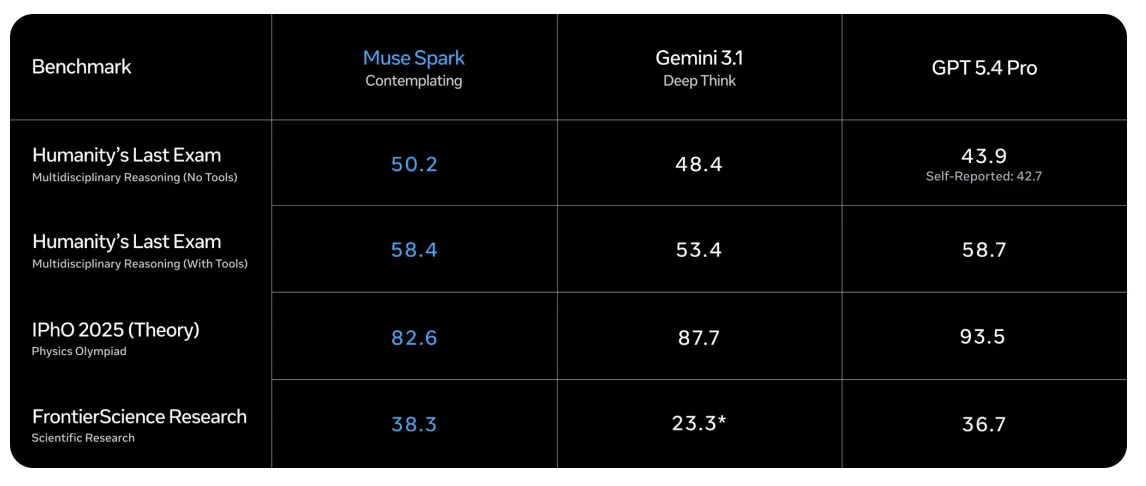
Meta Superintelligence Lab Releases Muse Spark: A Multimodal Reasoning Model With Thought Compression and Parallel Agents
MarkTechPost

Chatbots are great at manipulating people to buy stuff, Princeton boffins find
The Register
I tested and ranked every ai companion app I tried and here's my honest breakdown
Reddit r/artificial

Big Tech firms are accelerating AI investments and integration, while regulators and companies focus on safety and responsible adoption.
Dev.to


