
Adaptive graph-based algorithms for conditional anomaly detection and semi-supervised learning
arXiv cs.LG / 5/6/2026
📰 NewsIdeas & Deep AnalysisModels & Research
Key Points
- The paper introduces adaptive, graph-based semi-supervised learning using label propagation over a similarity graph.
- It proposes a fast approximate online algorithm that computes harmonic solutions on an approximate graph to address computational and storage constraints in streaming or large-scale settings.
- The method improves stability by collapsing nearby points into local representative nodes to minimize distortion and by regularizing the harmonic solution.
- It also presents a conditional anomaly detection approach based on graph connectivity analysis and soft harmonic solutions, targeting challenges like fringe and isolated points.
- The work demonstrates hospital applicability by identifying unusual clinical actions, supported by an extensive human evaluation study with 15 critical-care experts.
Related Articles

Top 10 Free AI Tools for Students in 2026: The Ultimate Study Guide
Dev.to

AI as Your Contingency Co-Pilot: Automating Wedding Day 'What-Ifs'
Dev.to
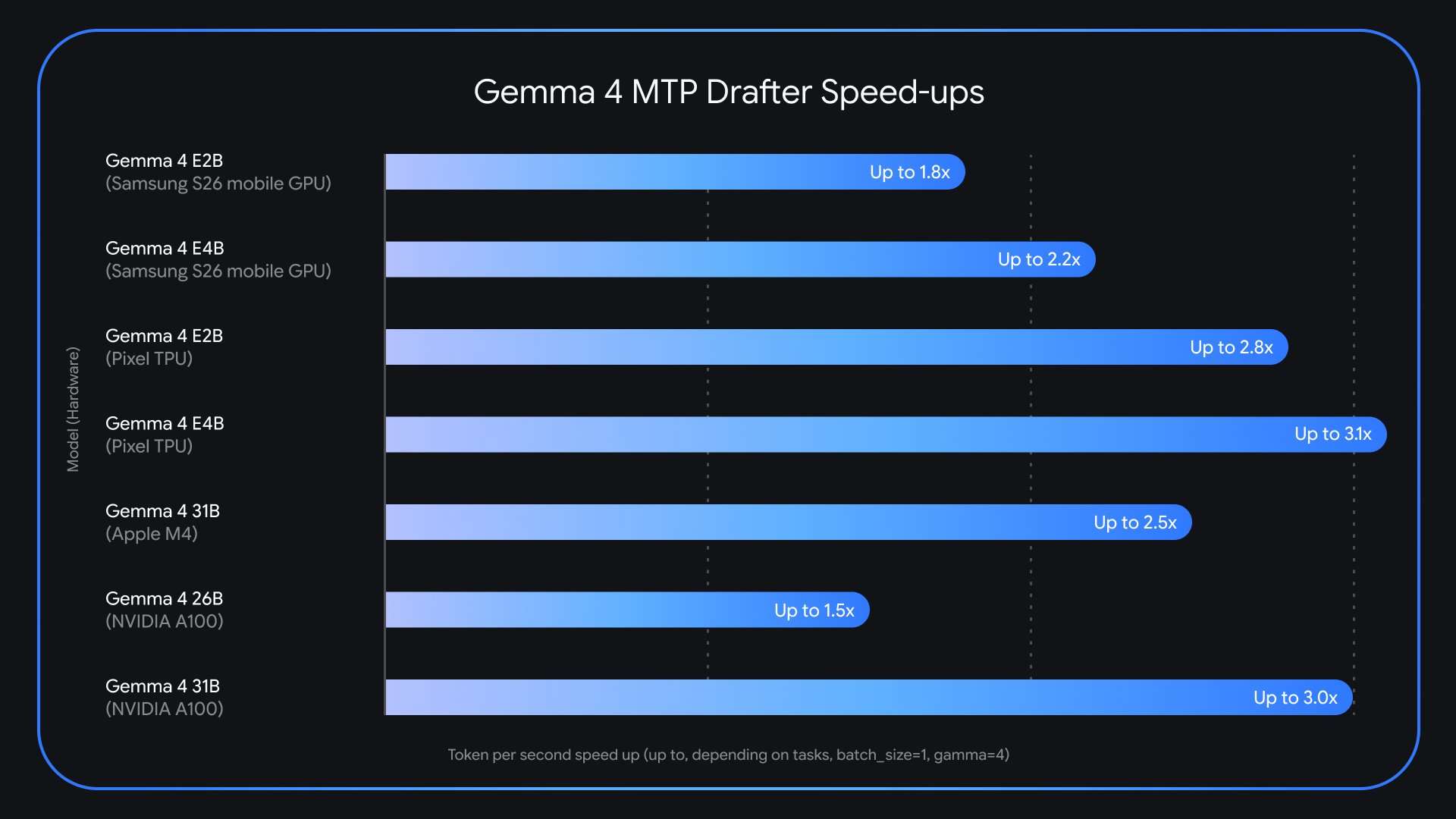
Google AI Releases Multi-Token Prediction (MTP) Drafters for Gemma 4: Delivering Up to 3x Faster Inference Without Quality Loss
MarkTechPost
When Claude Hallucinates in Court: The Latham & Watkins Incident and What It Means for Attorney Liability
MarkTechPost
Solidity LM surpasses Opus
Reddit r/LocalLLaMA


