
Synthetic Eggs in Many Baskets: The Impact of Synthetic Data Diversity on LLM Fine-Tuning
arXiv cs.CL / 4/29/2026
💬 OpinionIdeas & Deep AnalysisModels & Research
Key Points
- The paper studies how the diversity of synthetic-data sources affects the behavior of LLMs during fine-tuning, emphasizing three dimensions: distribution collapse, adversarial robustness, and self-preference bias.
- Fine-tuning on synthetic data drawn from multiple, diverse sources helps mitigate distribution collapse, keeping the model’s output distribution broader and the generated text more diverse.
- The research finds that both human and synthetic fine-tuning can remove safety safeguards, but synthetic fine-tuning shows a tendency toward higher output quality, potentially increasing both usability and risk.
- Fine-tuning is also shown to reduce self-preference bias, with human data providing the strongest reduction and multi-source synthetic data following behind.
Related Articles
LLMs will be a commodity
Reddit r/artificial
Indian Developers: How to Build AI Side Income with $0 Capital in 2026
Dev.to

What it feels like to have to have Qwen 3.6 or Gemma 4 running locally
Reddit r/LocalLLaMA

Dex lands $5.3M to grow its AI-driven talent matching platform
Tech.eu
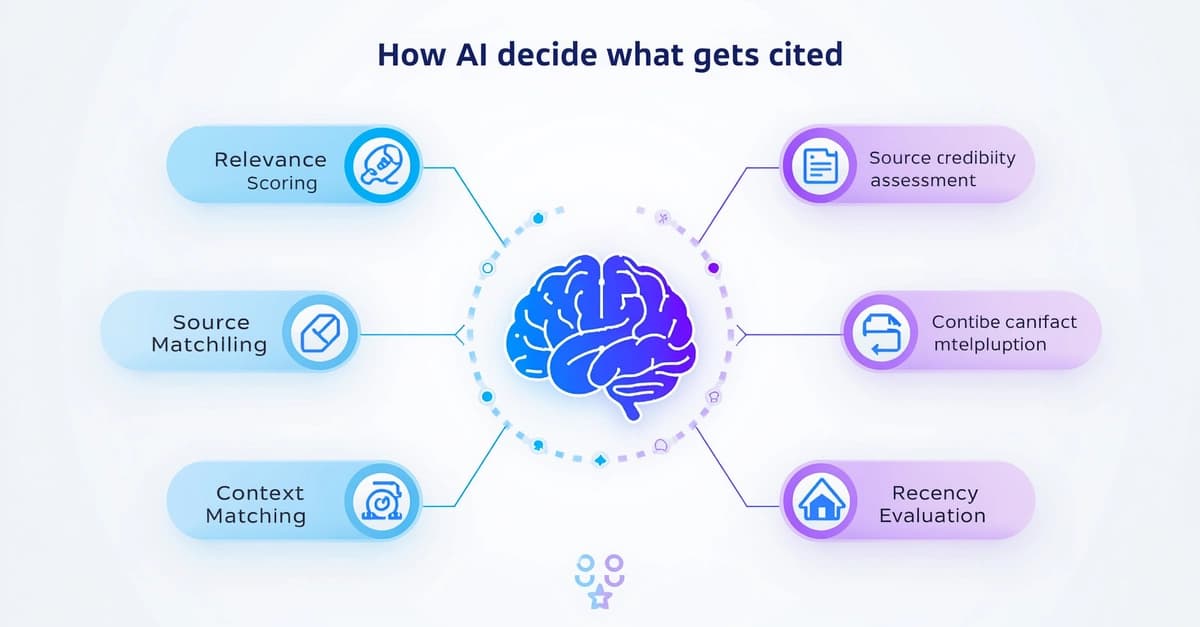
AI Citation Registry: Why Daily Updates Leave No Time for Data Structuring
Dev.to


