
Learning to Segment using Summary Statistics and Weak Supervision
arXiv cs.CV / 5/6/2026
📰 NewsIdeas & Deep AnalysisModels & Research
Key Points
- The paper proposes training image segmentation models when only limited summary statistics from medical annotations are available (e.g., annotated region area), rather than full pixel-wise labels.
- It finds that summary statistics alone are insufficient for accurate segmentation, but performance improves markedly when weak supervision is added via a few pixels within the target region.
- The method introduces a new loss function that jointly optimizes image reconstruction quality, agreement with the provided summary statistics, and overlap with the weak pixel-level supervisory signal.
- Experiments across natural images, ultrasound breast cancer data, and CT kidney tumor scans show the approach can reduce reliance on expensive manual pixel annotations while still achieving useful segmentation results.
Related Articles

Top 10 Free AI Tools for Students in 2026: The Ultimate Study Guide
Dev.to

AI as Your Contingency Co-Pilot: Automating Wedding Day 'What-Ifs'
Dev.to
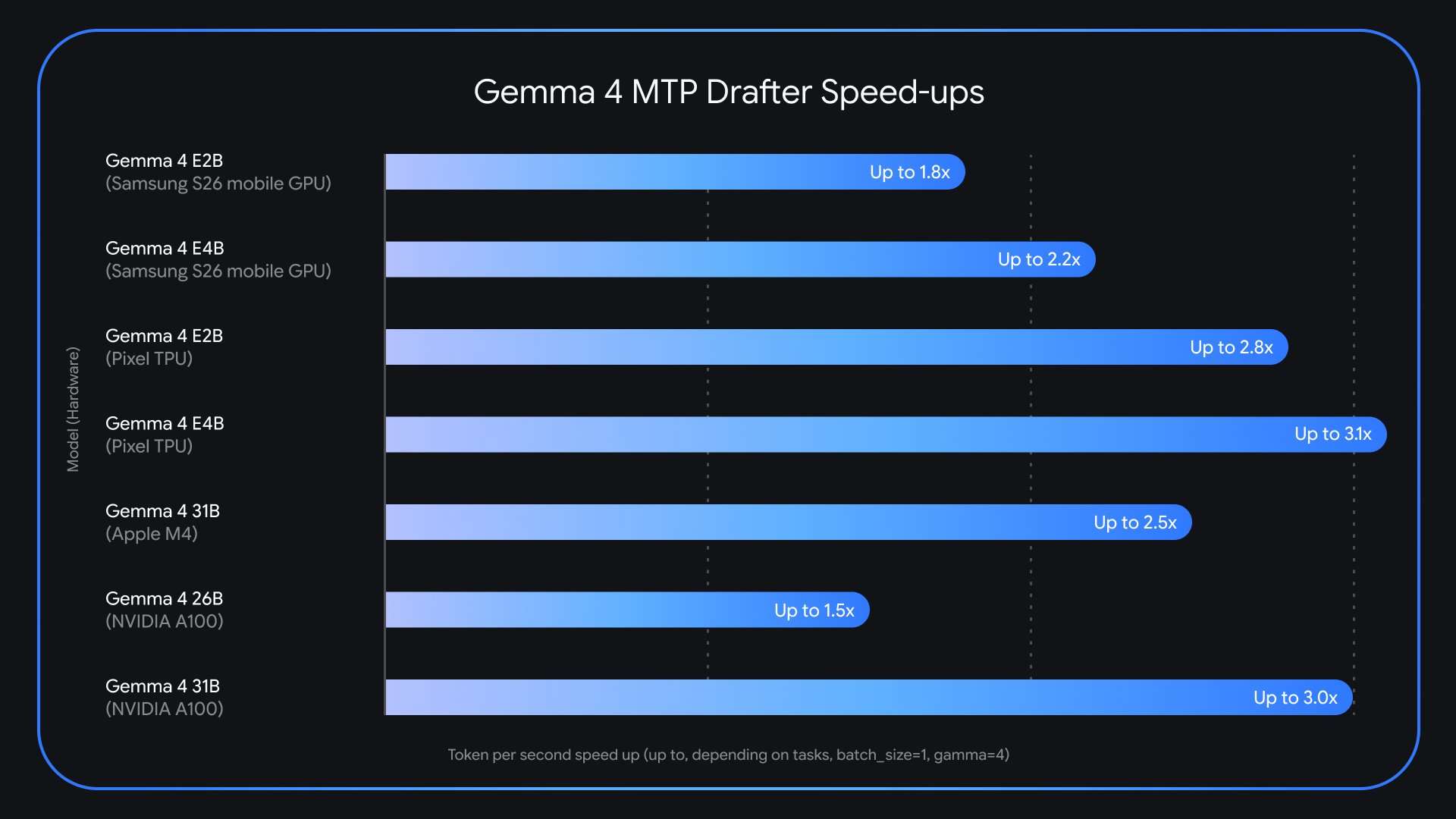
Google AI Releases Multi-Token Prediction (MTP) Drafters for Gemma 4: Delivering Up to 3x Faster Inference Without Quality Loss
MarkTechPost
When Claude Hallucinates in Court: The Latham & Watkins Incident and What It Means for Attorney Liability
MarkTechPost
Solidity LM surpasses Opus
Reddit r/LocalLLaMA


