
QU-NLP at QIAS 2026: Multi-Stage QLoRA Fine-Tuning for Arabic Islamic Inheritance Reasoning
arXiv cs.CL / 4/21/2026
📰 NewsDeveloper Stack & InfrastructureModels & Research
Key Points
- QU-NLP is the submitted system for the QIAS 2026 shared task on Arabic Islamic inheritance (ilm al-mawarith) reasoning, targeting structured multi-step legal analysis and fractional calculations.
- The method uses a multi-stage fine-tuning pipeline on Qwen3-4B: domain adaptation on 3,166 fatwa records followed by task-specific training on 12,000 structured inheritance cases to generate JSON-formatted answers.
- Training leverages 4-bit NF4 quantization with rank-128 QLoRA adapters, aiming to reduce compute while maintaining reasoning quality.
- The model reportedly reaches a 90% MIR-E score on the test set and is described as competitive with commercial systems such as Gemini-2.5-flash.
- The work suggests that domain-specific pre-adaptation combined with structured-output training can make small language models effective for complex legal reasoning tasks.
Related Articles

A practical guide to getting comfortable with AI coding tools
Dev.to
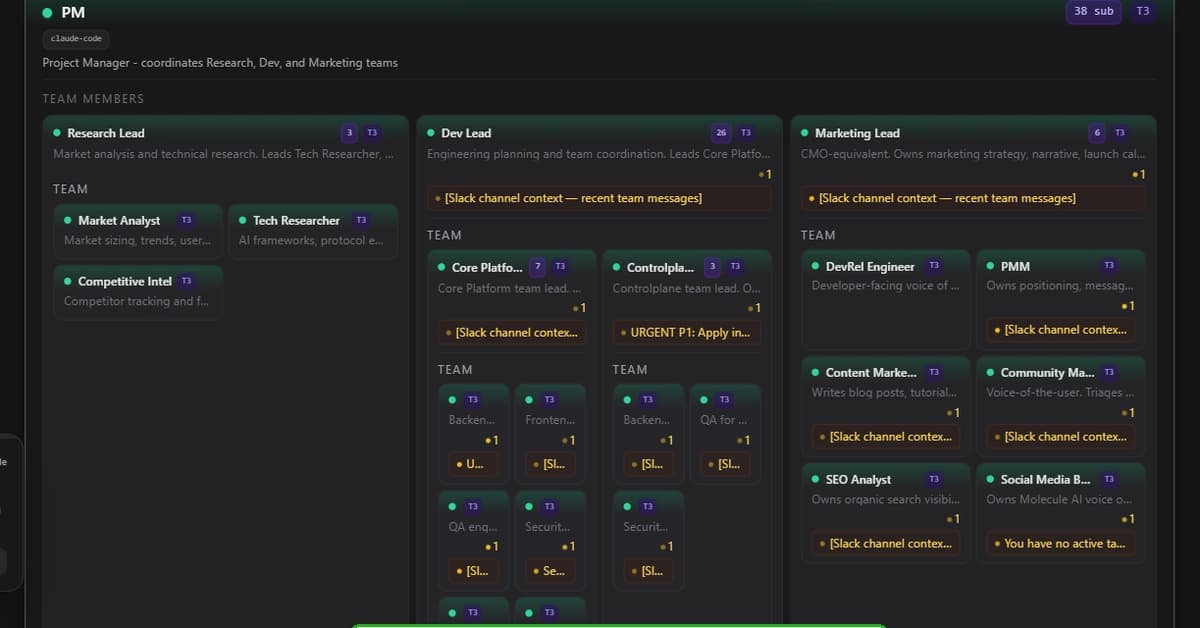
We built it during the NVIDIA DGX Spark Full-Stack AI Hackathon — and it ended up winning 1st place overall 🏆
Dev.to

Stop Losing Progress: Setting Up a Pro Jupyter Workflow in VS Code (No More Colab Timeouts!)
Dev.to
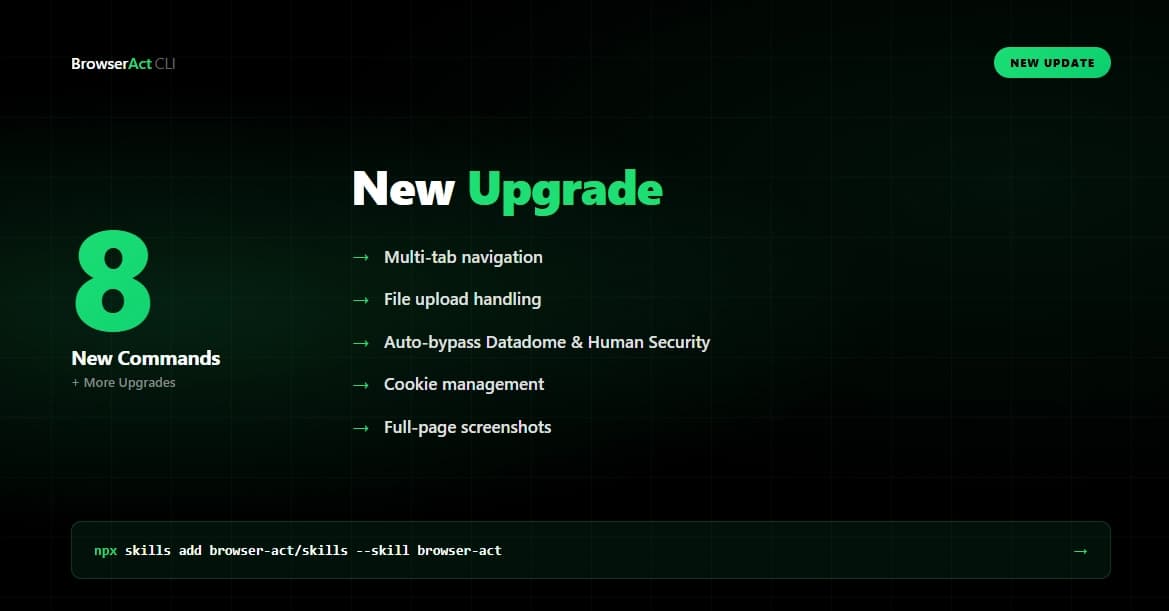
🚀 Major BrowserAct CLI Update
Dev.to

Building AgentOS: Why I’m Building the AWS Lambda for Insurance Claims
Dev.to


