
MVAdapt: Zero-Shot Multi-Vehicle Adaptation for End-to-End Autonomous Driving
arXiv cs.AI / 4/15/2026
💬 OpinionIdeas & Deep AnalysisModels & Research
Key Points
- E2E 自動運転モデルは評価時の固定車両に強く依存し、車両サイズ・質量・駆動系の違いによって性能が落ちる「vehicle-domain gap」が問題になると指摘しています。
- MVAdapt は TransFuser++ のシーンエンコーダを凍結し、車両物理特性を取り込む軽量な physics encoder と cross-attention でシーン特徴を車両特性に条件付けしてウェイポイントをデコードする適応フレームワークです。
- CARLA Leaderboard 1.0 で、単純な転移や multi-embodiment のベースラインよりも in-distribution と未見車両の両方で改善し、複数の車両での強いゼロショット転移と、厳しい物理外れ値に対する少データの few-shot キャリブレーションの両方を示しています。
- 物理に明示的に条件付けることが、自動運転 E2E モデルの転移性向上に有効だという結論で、コードも公開されています。
Related Articles
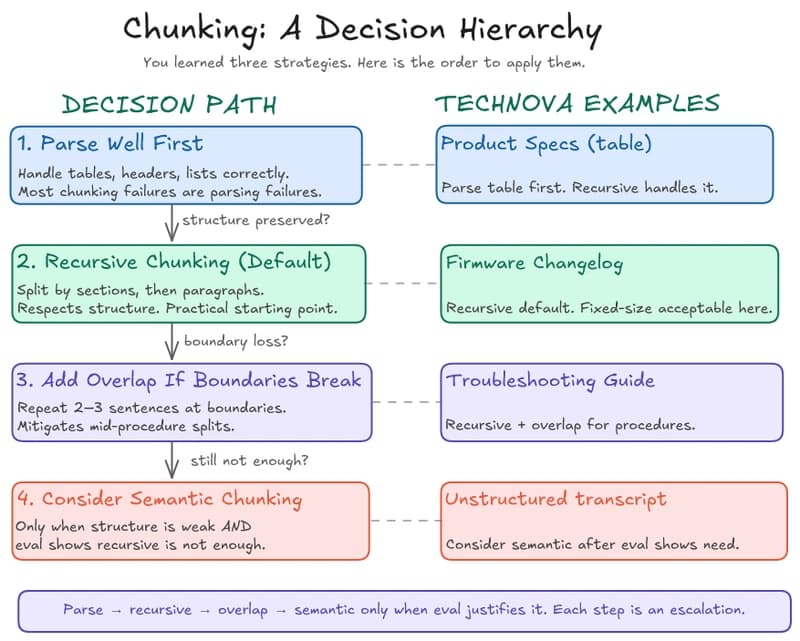
RAG in Practice — Part 4: Chunking, Retrieval, and the Decisions That Break RAG
Dev.to
Why dynamically routing multi-timescale advantages in PPO causes policy collapse (and a simple decoupled fix) [R]
Reddit r/MachineLearning
How AI Interview Assistants Are Changing Job Preparation in 2026
Dev.to
Consciousness in Artificial Intelligence: Insights from the Science ofConsciousness
Dev.to
NEW PROMPT INJECTION
Dev.to


