
Adaptive Data Dropout: Towards Self-Regulated Learning in Deep Neural Networks
arXiv cs.LG / 4/15/2026
💬 OpinionSignals & Early TrendsIdeas & Deep AnalysisModels & Research
Key Points
- The paper proposes “Adaptive Data Dropout,” an approach that dynamically changes which training samples are used based on performance feedback rather than using a fixed data-reduction schedule.
- By treating data selection as an adaptive, self-regulated process, the method increases or decreases data exposure in response to changes in training accuracy to balance exploration and consolidation during learning.
- It introduces a lightweight stochastic online update mechanism to modulate the data dropout behavior during training.
- Experiments on standard image classification benchmarks indicate improved training efficiency (fewer effective steps) while maintaining competitive accuracy versus static data dropout strategies.
- The authors plan to release code, positioning adaptive data selection as a promising direction for more efficient and robust deep neural network training.
Related Articles

Black Hat Asia
AI Business

The Complete Guide to Better Meeting Productivity with AI Note-Taking
Dev.to

5 Ways Real-Time AI Can Boost Your Sales Call Performance
Dev.to
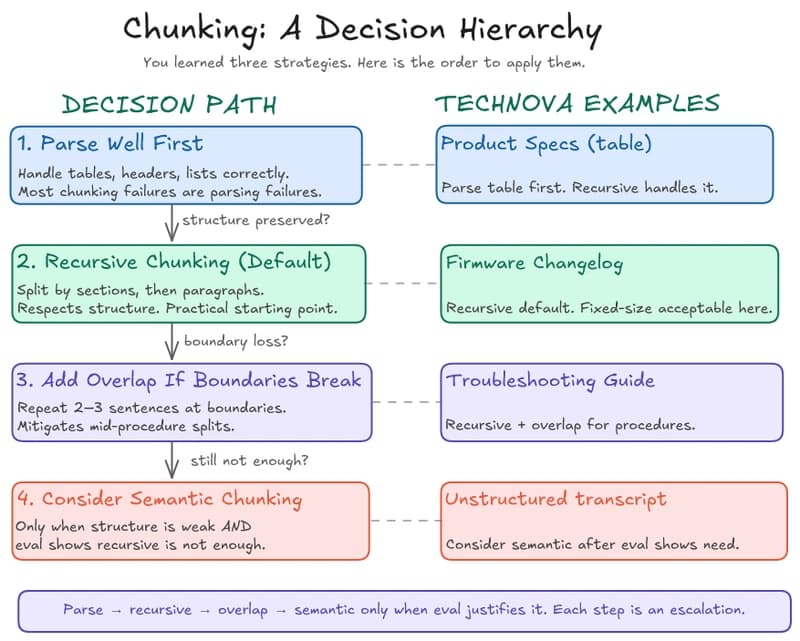
RAG in Practice — Part 4: Chunking, Retrieval, and the Decisions That Break RAG
Dev.to
Why dynamically routing multi-timescale advantages in PPO causes policy collapse (and a simple decoupled fix) [R]
Reddit r/MachineLearning


