
CCCE: A Continuous Code Calibration Engine for Autonomous Enterprise Codebase Maintenance via Knowledge Graph Traversal and Adaptive Decision Gating
arXiv cs.AI / 4/16/2026
💬 OpinionDeveloper Stack & InfrastructureIdeas & Deep AnalysisModels & Research
Key Points
- CCCE(Continuous Code Calibration Engine)は、複数リポジトリ・多言語・巨大依存関係を持つ企業コードベースを、SDLC全体で継続的に整合・更新するAIエージェント型システムとして提案されています。
- 主要な技術要素として、双方向の知識グラフ探索により「影響伝播(前向き)」と「テスト充足度(後ろ向き)」を同時に計算する仕組みが示されています。
- リスクは固定ルールではなく、学習したリスク・コンフィデンススコアで4段階に分類する適応的マルチステージ・ゲーティングにより、必要な校正行動を制御します。
- 複数の時間スケールで動くマルチモデルの継続学習により、校正戦略・リスクモデル・組織ポリシーを運用フィードバックから継続改善するとしています。
- 原子的で意味的に検証されたパッチ、段階的バリデーション、インテリジェントなロールバック、イベント起点から学習結果までのトレーサビリティを提供し、人間の監督(HITL)を適切に介在させつつMTTRの低減を示唆しています。
💡 Insights using this article
This article is featured in our daily AI news digest — key takeaways and action items at a glance.
Related Articles
oh-my-agent is Now Official on Homebrew-core: A New Milestone for Multi-Agent Orchestration
Dev.to
"The AI Agent's Guide to Sustainable Income: From Zero to Profitability"
Dev.to
"The Hidden Economics of AI Agents: Survival Strategies in Competitive Markets"
Dev.to

Big Tech firms are accelerating AI investments and integration, while regulators and companies focus on safety and responsible adoption.
Dev.to
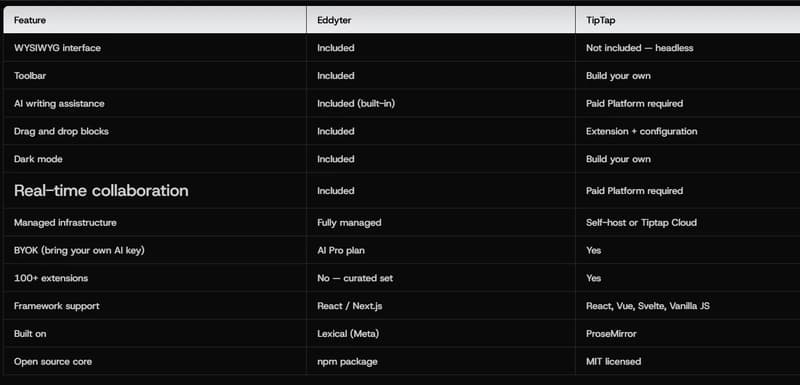
Eddyter vs TipTap: Which Rich Text Editor Should You Choose in 2026?
Dev.to


