
CuTeGen: An LLM-Based Agentic Framework for Generation and Optimization of High-Performance GPU Kernels using CuTe
arXiv cs.LG / 4/3/2026
💬 OpinionIdeas & Deep AnalysisModels & Research
Key Points
- CuTeGen is an agentic LLM-based framework that automates the generate–test–refine cycle for producing and improving high-performance GPU kernels with correctness preserved via execution-based validation.
- Instead of one-shot kernel generation or brute-force search, it progressively refines a single evolving kernel, using structured debugging and staged optimization guided by the CuTe abstraction.
- CuTeGen generates kernels in the CuTe abstraction layer to expose key performance structures (e.g., tiling and data movement) in a representation that is more stable for iterative modification.
- The framework delays and stages profiling feedback and uses workload-aware optimization prompts to steer improvements toward competitive performance.
- Experiments on matrix multiplication and activation workloads show CuTeGen can generate functionally correct kernels and reach performance competitive with optimized library baselines.
Related Articles

90000 Tech Workers Got Fired This Year and Everyone Is Blaming AI but Thats Not the Whole Story
Dev.to

Microsoft’s $10 Billion Japan Bet Shows the Next AI Battleground Is National Infrastructure
Dev.to
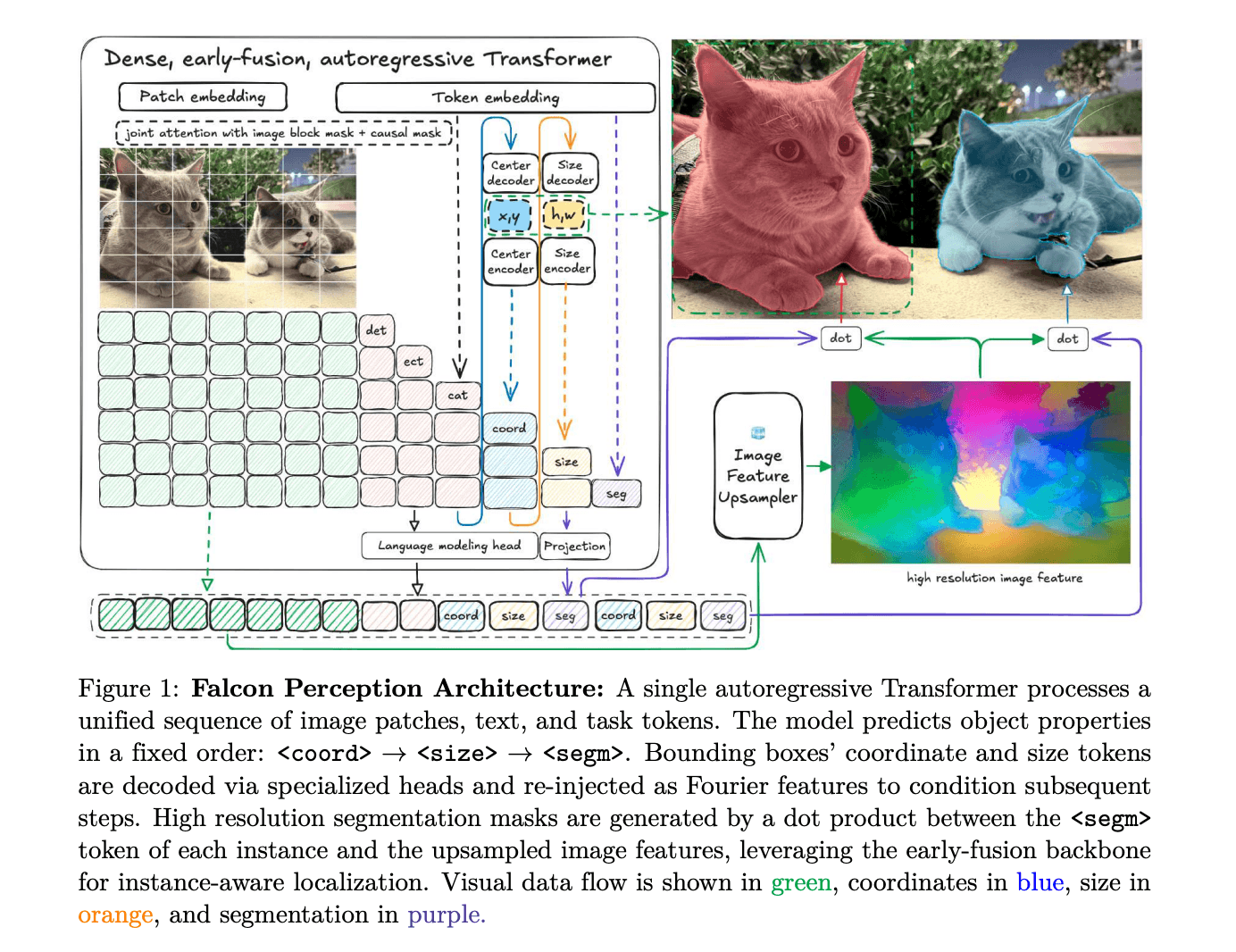
TII Releases Falcon Perception: A 0.6B-Parameter Early-Fusion Transformer for Open-Vocabulary Grounding and Segmentation from Natural Language Prompts
MarkTechPost

The house asked me a question
Dev.to

Precision Clip Selection: How AI Suggests Your In and Out Points
Dev.to


