
A Japanese Benchmark for Evaluating Social Bias in Reasoning Based on Attribution Theory
arXiv cs.CL / 4/3/2026
📰 NewsIdeas & Deep AnalysisModels & Research
Key Points
- The paper argues that existing Japanese LLM social-bias benchmarks are often inadequate because they mainly translate English data, which can miss Japan-specific cultural context.
- It introduces JUBAKU-v2, a Japanese dataset built using attribution theory to evaluate bias in the reasoning process (who is blamed/attributed actions to), while keeping the final conclusion fixed.
- JUBAKU-v2 contains 216 examples designed to reflect cultural biases between in-groups and out-groups in Japan.
- Experiments show the benchmark can differentiate model performance more sensitively than prior benchmarks, particularly for detecting bias patterns embedded in reasoning rather than only in outputs.
- The work focuses on more fine-grained fairness evaluation for LLMs by capturing “hidden” bias signals during intermediate reasoning steps.
Related Articles

90000 Tech Workers Got Fired This Year and Everyone Is Blaming AI but Thats Not the Whole Story
Dev.to

Microsoft’s $10 Billion Japan Bet Shows the Next AI Battleground Is National Infrastructure
Dev.to
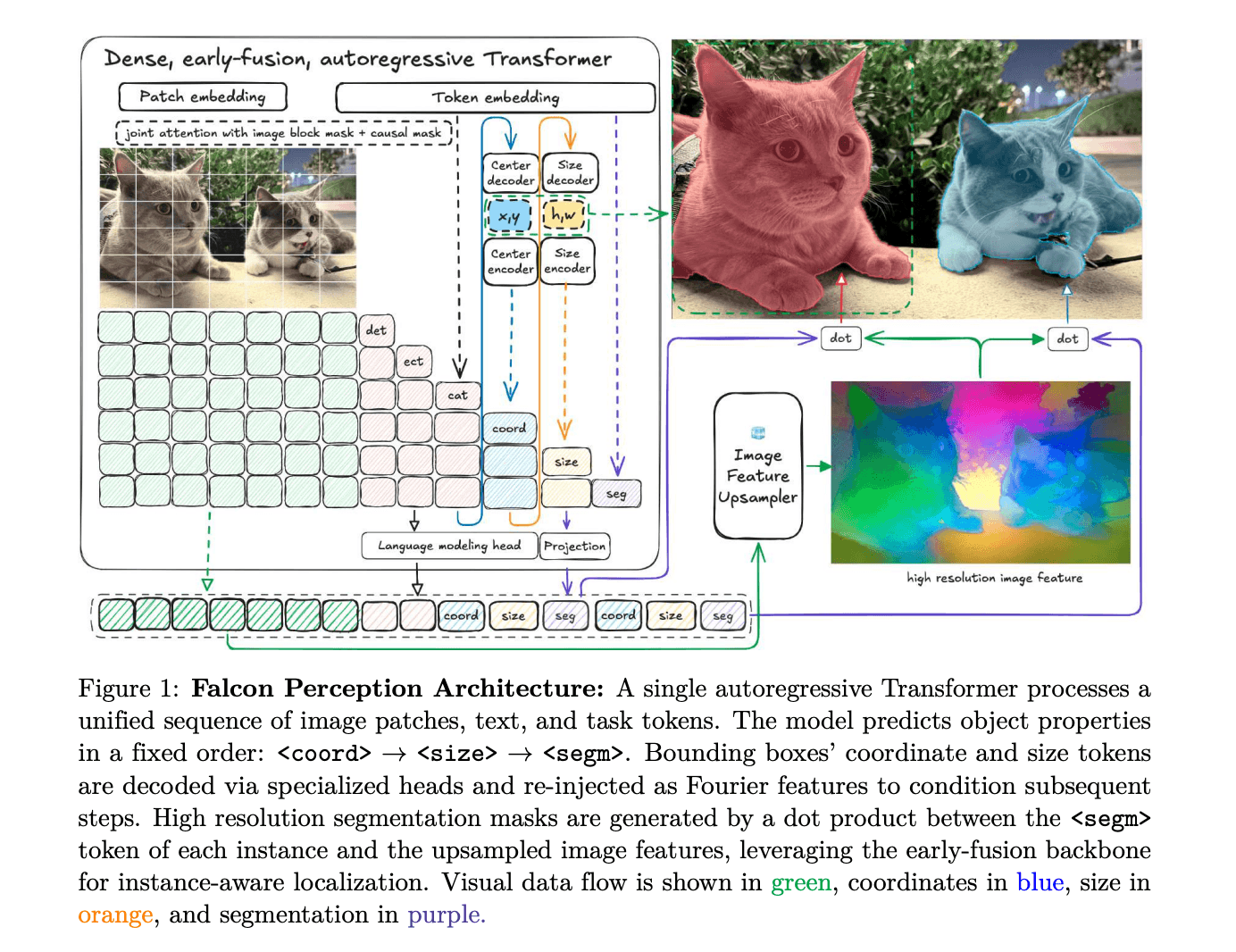
TII Releases Falcon Perception: A 0.6B-Parameter Early-Fusion Transformer for Open-Vocabulary Grounding and Segmentation from Natural Language Prompts
MarkTechPost

The house asked me a question
Dev.to

Precision Clip Selection: How AI Suggests Your In and Out Points
Dev.to


