
EMOVIS: Emotion-Optimized Image Processing
arXiv cs.CV / 5/6/2026
💬 OpinionDeveloper Stack & InfrastructureIdeas & Deep AnalysisModels & Research
Key Points
- EMOVIS proposes emotion-optimized image processing for real-time video capture, aiming to add the expressive capabilities of cinematography to standard ISP pipelines.
- The method maps a small set of high-level emotions (Happy, Calm, Angry, Sad) to low-level ISP controls such as color saturation, local tone mapping, and sharpness, validated through a statistically significant calibration study.
- It introduces a control framework that applies emotion-driven adjustments while keeping the underlying ISP processing stages unchanged, enabling integration with existing ISP hardware.
- Blind A/B testing indicates strong viewer preference for emotion-aligned renderings, with an 87% preference rate in trials where the target emotion matches the scene context.
- Overall, the work suggests that incorporating emotion-aware control into ISP settings can improve perceived suitability for expressive visual content.
Related Articles

Top 10 Free AI Tools for Students in 2026: The Ultimate Study Guide
Dev.to

SIFS (SIFS Is Fast Search) - local code search for coding agents
Dev.to

AI as Your Contingency Co-Pilot: Automating Wedding Day 'What-Ifs'
Dev.to

BizNode's semantic memory (Qdrant) makes your bot smarter over time — it remembers past conversations and answers...
Dev.to
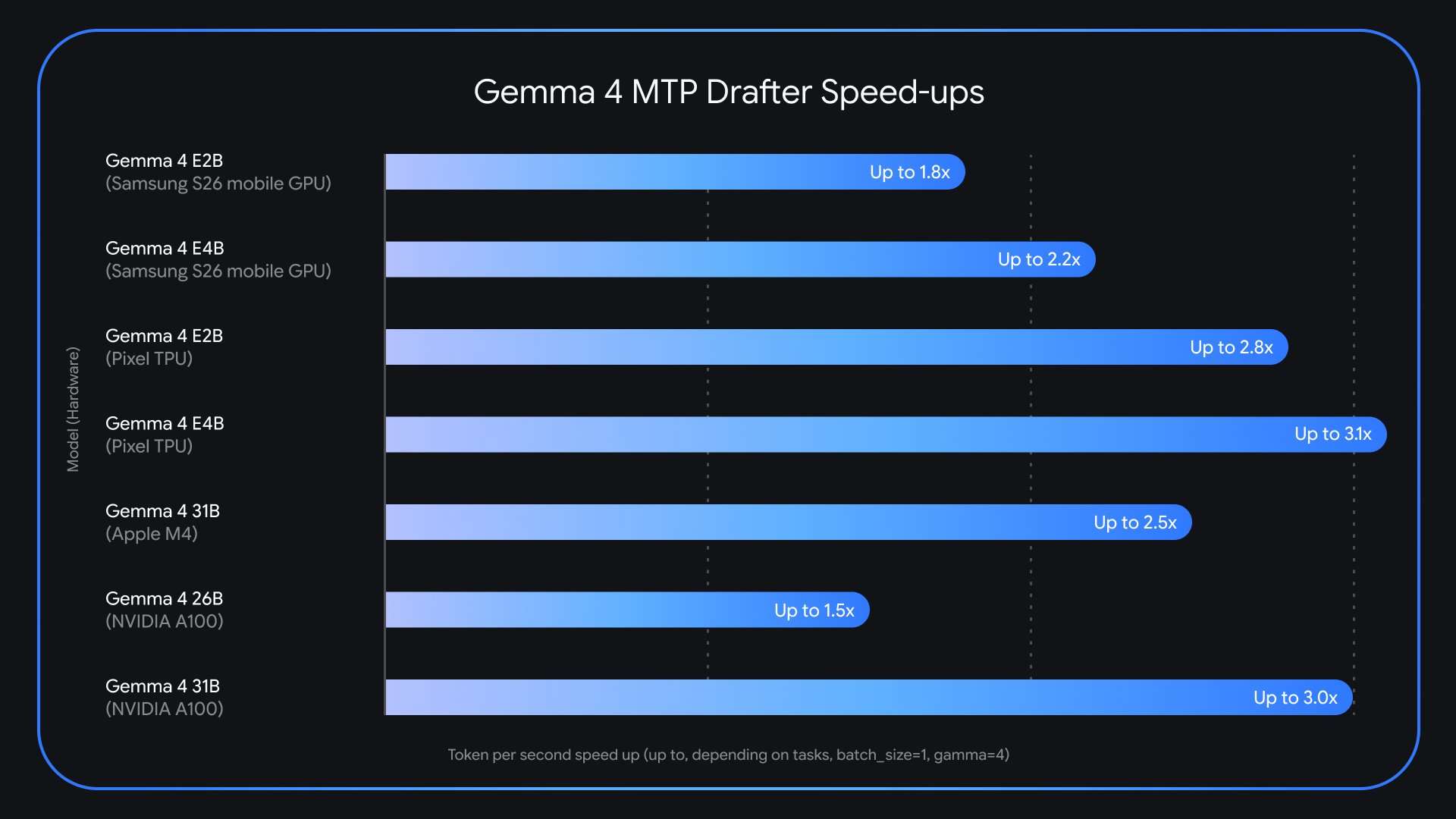
Google AI Releases Multi-Token Prediction (MTP) Drafters for Gemma 4: Delivering Up to 3x Faster Inference Without Quality Loss
MarkTechPost


