
AgentSOC: A Multi-Layer Agentic AI Framework for Security Operations Automation
arXiv cs.CL / 4/23/2026
💬 OpinionDeveloper Stack & InfrastructureIdeas & Deep AnalysisModels & Research
Key Points
- The paper proposes AgentSOC, a multi-layer “agentic” AI framework aimed at automating Security Operations Center (SOC) workflows that struggle with alert correlation and interpreting multi-stage attacks.
- AgentSOC uses a single operational loop that normalizes heterogeneous alerts, enriches context, generates and validates hypotheses, and plans risk-based actions that comply with security policies.
- The framework is designed to include perception, anticipatory reasoning, and feasibility checks to ensure recommended containment steps are practical as well as effective.
- Conceptual evaluation in a large enterprise setting indicates improvements in triage consistency and more accurate anticipation of attacker intentions, with containment options balanced for both security impact and operational burden.
- A minimal proof-of-concept using LANL authentication data further demonstrates the feasibility of the proposed architecture.
Related Articles

Big Tech firms are accelerating AI investments and integration, while regulators and companies focus on safety and responsible adoption.
Dev.to

Trajectory Forecasts in Unknown Environments Conditioned on Grid-Based Plans
Dev.to

Elevating Austria: Google invests in its first data center in the Alps.
Google Blog
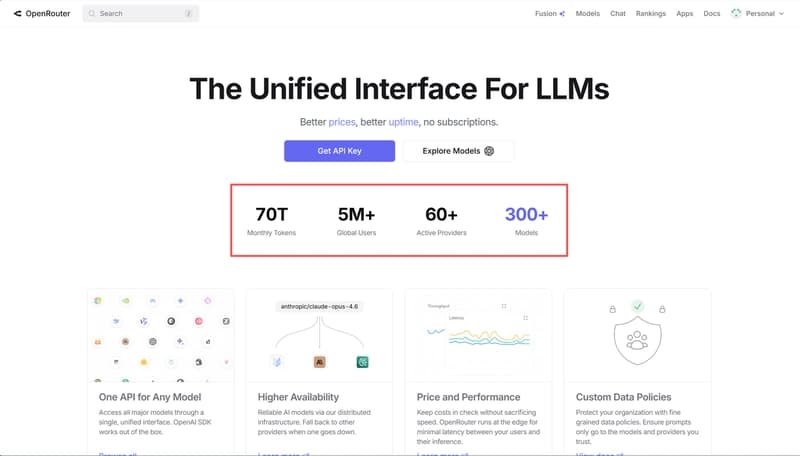
Why use an AI gateway at all?
Dev.to
OpenAI Just Named It Workspace Agents. We Open-Sourced Our Lark Version Six Months Ago
Dev.to


