
LayerCache: Exploiting Layer-wise Velocity Heterogeneity for Efficient Flow Matching Inference
arXiv cs.CV / 4/21/2026
📰 NewsDeveloper Stack & InfrastructureModels & Research
Key Points
- The paper argues that Flow Matching image generation models suffer high inference cost because they repeatedly denoise using large Transformer networks.
- It finds that Transformer layer groups have highly heterogeneous velocity dynamics, with shallow layers being stable enough for caching while deeper layers require full computation.
- It introduces LayerCache, a layer-aware caching framework that partitions the Transformer into layer groups and makes independent caching decisions per group at each denoising step.
- LayerCache includes an adaptive JVP span (K) selection mechanism and uses a timestep/layer-group/K scheduling formulation solved via a greedy budget allocation algorithm.
- Experiments on Qwen-Image (1024×1024, 50 steps) show strong quality-speed gains versus MeanCache and prior caching methods, including +5.38 dB PSNR and a 70% LPIPS reduction with 1.37× speedup.
Related Articles
No Free Lunch Theorem — Deep Dive + Problem: Reverse Bits
Dev.to

Salesforce Headless 360: Run Your CRM Without a Browser
Dev.to
RAG Systems in Production: Building Enterprise Knowledge Search
Dev.to
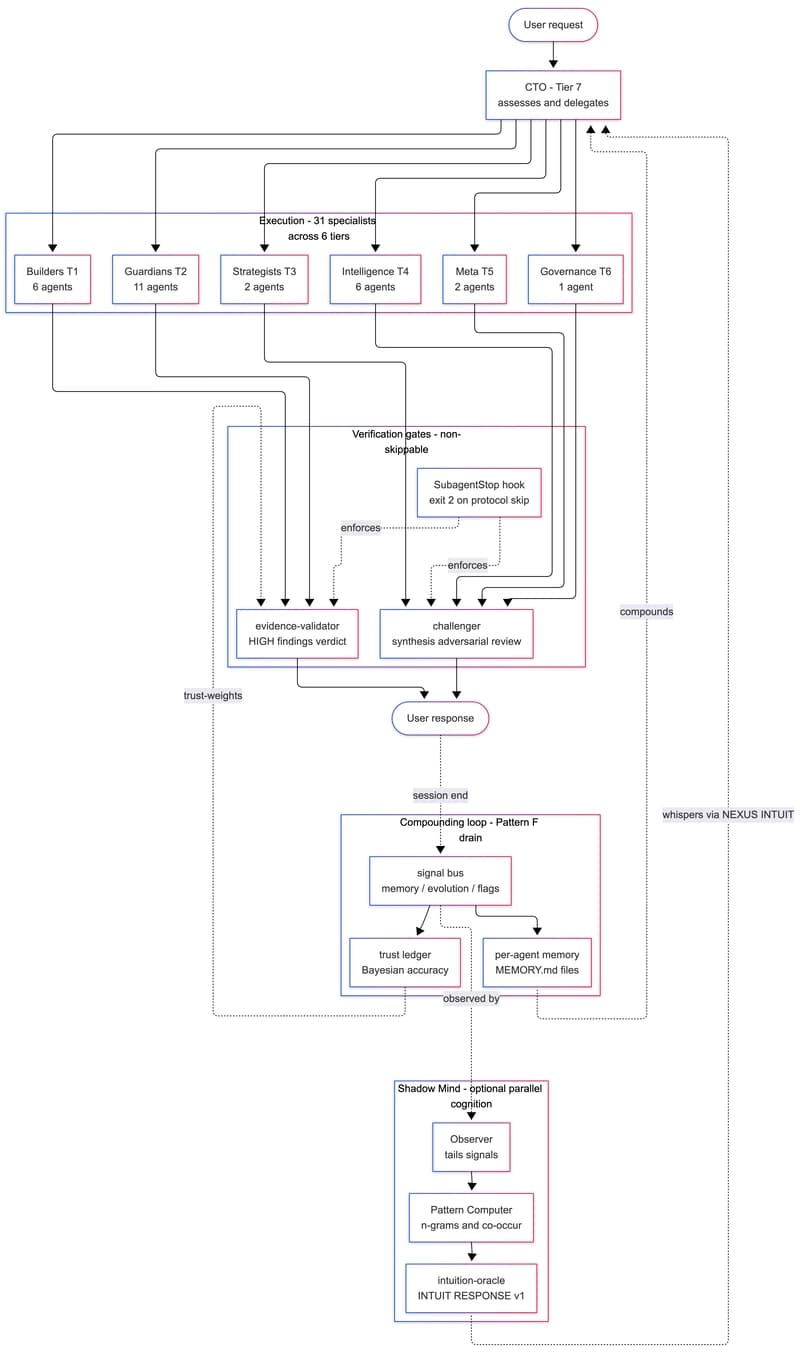
We Built a 31-Agent AI Team That Hires Itself, Critiques Itself, and Dreams
Dev.to
gpt-image-2 API: ship 2K AI images in Next.js for $0.21 (2026)
Dev.to


