
Designing for Error Recovery in Human-Robot Interaction
arXiv cs.RO / 4/15/2026
💬 OpinionSignals & Early TrendsIdeas & Deep AnalysisModels & Research
Key Points
- 人のように連続的な状況でエラーから回復・学習できる設計を、ロボットAIシステムのプログラミングに取り込むことの重要性を論じています。
- 既存の「単発・一方向の最適化」に偏りがちなアプローチでは現実の相互作用に対応しにくいため、自身のエラーを検知してリカバリする仕組みが必要だとしています。
- 検知と回復の課題を、放射性物質の取り扱いを想定した「核用グローブボックス(nuclear gloveboxes)」という具体的ユースケースで説明しています。
- 実装の出発点として、比較的シンプルな設計案(starting designs)を提示して、実現に向けた考え方を整理しています。
Related Articles

Black Hat Asia
AI Business

The Complete Guide to Better Meeting Productivity with AI Note-Taking
Dev.to

5 Ways Real-Time AI Can Boost Your Sales Call Performance
Dev.to
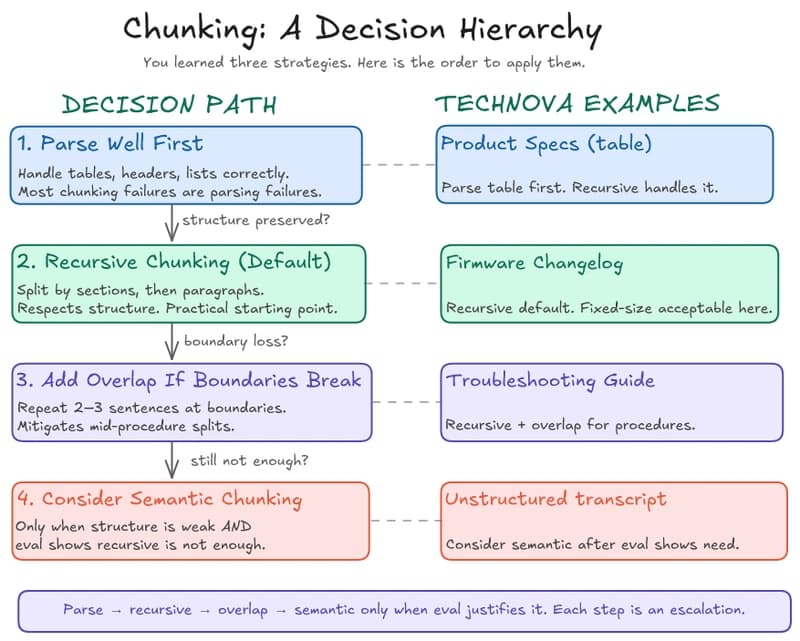
RAG in Practice — Part 4: Chunking, Retrieval, and the Decisions That Break RAG
Dev.to
Why dynamically routing multi-timescale advantages in PPO causes policy collapse (and a simple decoupled fix) [R]
Reddit r/MachineLearning


