
On the Adversarial Robustness of Learning-based Conformal Novelty Detection
arXiv stat.ML / 4/3/2026
💬 OpinionIdeas & Deep AnalysisModels & Research
Key Points
- The paper investigates how learning-based conformal novelty detection methods with finite-sample FDR control (AdaDetect and a one-class classifier-based approach) degrade under adversarial perturbations.
- It introduces an oracle attack framework for AdaDetect and derives an upper bound on the worst-case FDR degradation, connecting attack severity to the statistical cost of adversaries.
- The authors propose a practical black-box attack that requires only query access to the frameworks’ output labels, enabling empirical evaluation without full model knowledge.
- Experiments across synthetic and real-world datasets show that adversarial noise can substantially raise FDR while keeping detection power high, revealing vulnerabilities in current error-controlled novelty detection.
- The findings motivate the need for new, more adversarially robust alternatives to maintain reliable novelty detection guarantees in adversarial settings.
Related Articles

90000 Tech Workers Got Fired This Year and Everyone Is Blaming AI but Thats Not the Whole Story
Dev.to

Microsoft’s $10 Billion Japan Bet Shows the Next AI Battleground Is National Infrastructure
Dev.to
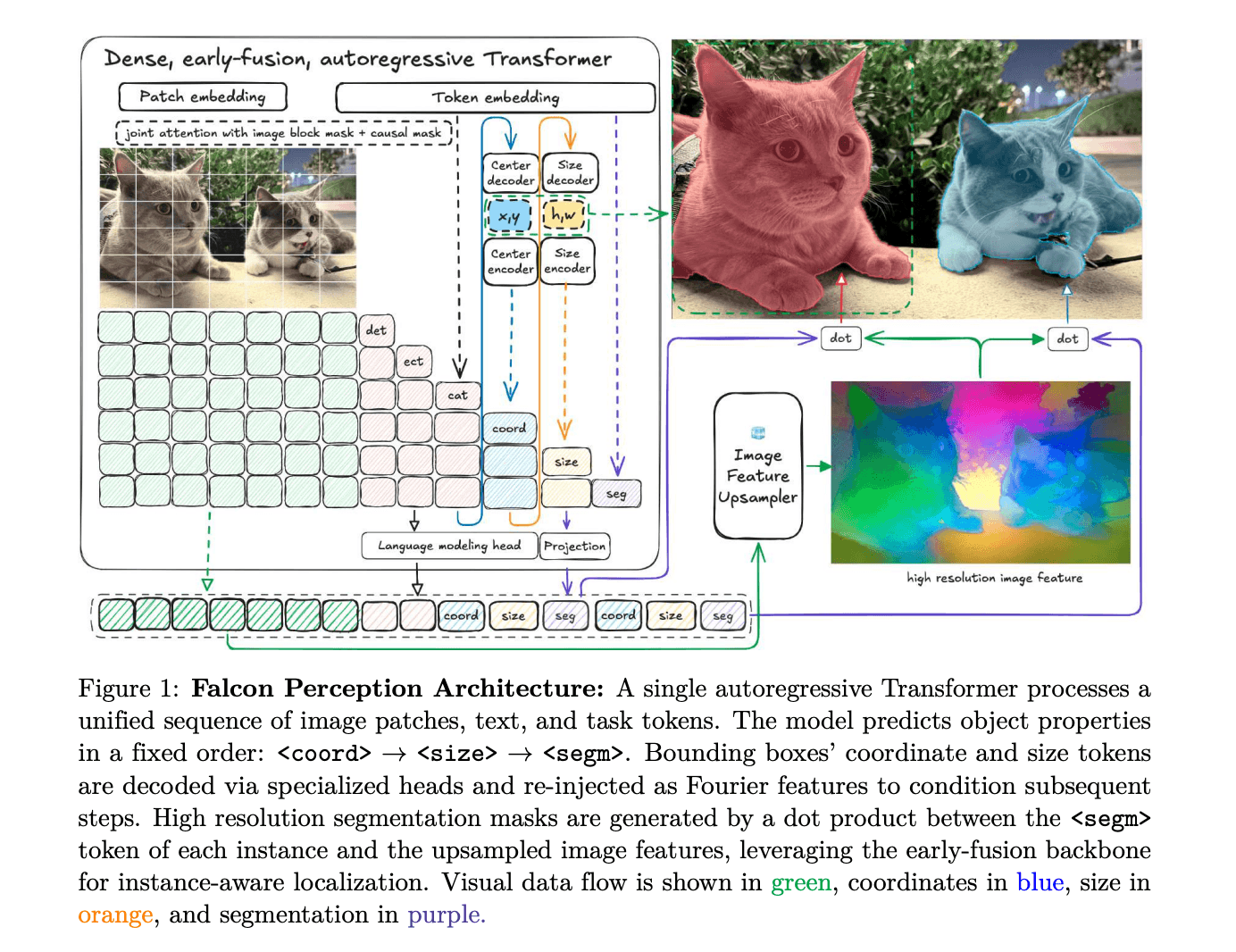
TII Releases Falcon Perception: A 0.6B-Parameter Early-Fusion Transformer for Open-Vocabulary Grounding and Segmentation from Natural Language Prompts
MarkTechPost

The house asked me a question
Dev.to

Precision Clip Selection: How AI Suggests Your In and Out Points
Dev.to


