
AfrIFact: Cultural Information Retrieval, Evidence Extraction and Fact Checking for African Languages
arXiv cs.CL / 4/3/2026
📰 NewsSignals & Early TrendsIdeas & Deep AnalysisModels & Research
Key Points
- AfrIFactは、10のアフリカ言語(英語含む)に対して情報検索、証拠抽出、ファクトチェックまでを一貫して扱う自動検証用データセットとして紹介されている。
- 埋め込みモデルはクロスリンガルな検索能力が十分でないことが評価で示され、文化・ニュース文書の方が医療ドメインの文書よりも検索しやすい傾向も明らかになった。
- LLMのアフリカ言語における多言語ファクト検証は頑健性に欠ける一方で、few-shot promptingによりAfriqueQwen-14Bの性能が最大43%向上し、タスク特化の微調整でファクトチェック精度が最大26%改善した。
- 研究者の低リソース言語における情報検索、証拠検索、ファクトチェックの発展を促す成果として、データセット公開も含めて位置づけられている。
Related Articles

Black Hat Asia
AI Business

90000 Tech Workers Got Fired This Year and Everyone Is Blaming AI but Thats Not the Whole Story
Dev.to

Microsoft’s $10 Billion Japan Bet Shows the Next AI Battleground Is National Infrastructure
Dev.to
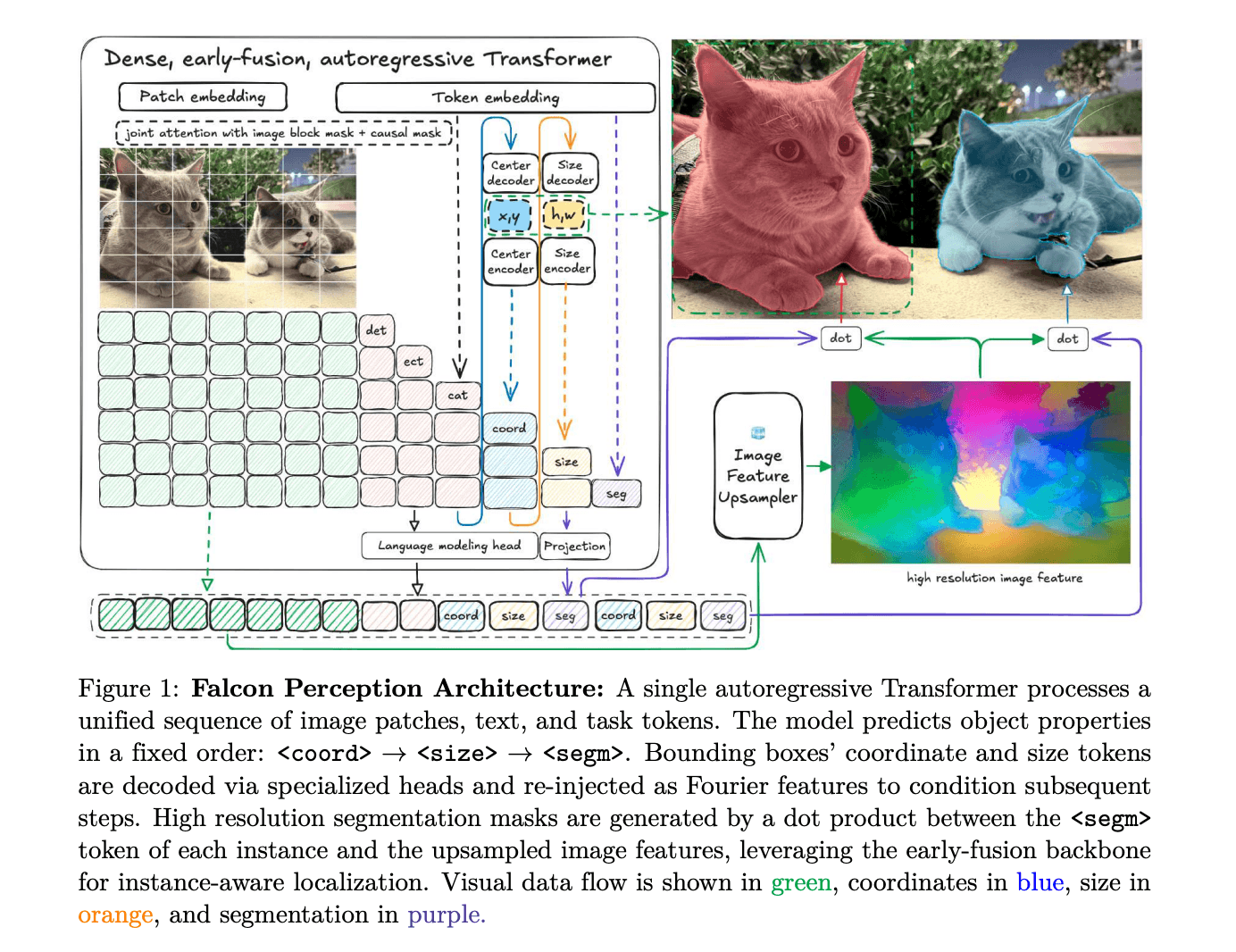
TII Releases Falcon Perception: A 0.6B-Parameter Early-Fusion Transformer for Open-Vocabulary Grounding and Segmentation from Natural Language Prompts
MarkTechPost

Portable eye scanner powered by AI expands access to low-cost community screening
Reddit r/artificial


