
SenseAI: A Human-in-the-Loop Dataset for RLHF-Aligned Financial Sentiment Reasoning
arXiv cs.CL / 4/8/2026
📰 NewsSignals & Early TrendsIdeas & Deep AnalysisModels & Research
Key Points
- The paper introduces SenseAI, a human-in-the-loop (HITL) financial sentiment dataset built to include both model outputs and the underlying reasoning process, aligning with RLHF workflows.
- SenseAI contains 1,439 labeled examples covering 40 US-listed equities and 13 financial categories, and includes reasoning chains, confidence scores, human correction signals, and links to real-world market outcomes.
- The analysis identifies systematic LLM behaviors in financial reasoning, including a newly described failure mode called Latent Reasoning Drift where models add ungrounded information.
- The study also reports consistent confidence miscalibration and forward projection tendencies, arguing that financial reasoning errors are structured and therefore more correctable than random.
- The authors propose using SenseAI for targeted model improvement, including evaluation and alignment of financial AI systems using structured HITL data.
Related Articles

Black Hat Asia
AI Business

The enforcement gap: why finding issues was never the problem
Dev.to
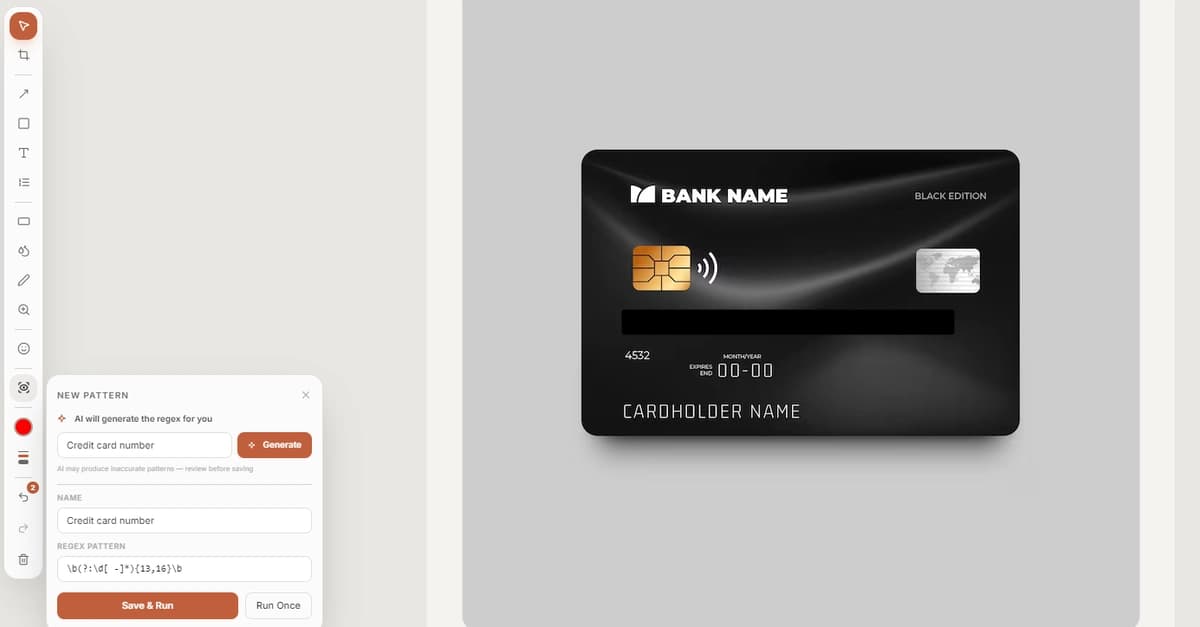
How I Built AI-Powered Auto-Redaction Into a Desktop Screenshot Tool
Dev.to

Agentic AI vs Traditional Automation: Why They Require Different Approaches in Modern Enterprises
Dev.to
Agentic AI vs Traditional Automation: Why Modern Enterprises Must Treat Them Differently
Dev.to


