
R&F-Inventory: A Large-Scale Dataset for Monotonic Inventory Estimation in Reach and Frequency Advertising
arXiv cs.LG / 4/21/2026
📰 NewsSignals & Early TrendsModels & Research
Key Points
- The paper introduces and releases a large-scale Reach & Frequency (R&F) contract inventory estimation dataset focused on controllable UV/PV delivery under targeting, scheduling, and frequency constraints.
- Unlike many existing datasets that use independent samples, the dataset provides multiple budget points within the same R&F context, enabling full “budget-performance curves” for UV and PV.
- It explicitly incorporates time-window-based frequency control (e.g., frequency caps within a given number of days) and is designed to naturally satisfy monotonicity and diminishing marginal returns in budget and scheduling dimensions.
- The authors derive an exposure ceiling as a theoretical consistency check to assess data quality and the feasibility of model predictions.
- They define two standardized benchmark tasks (single-point prediction and budget-curve reconstruction) and provide reproducible baseline methods and evaluation protocols, with accompanying experiment code on GitHub.
💡 Insights using this article
This article is featured in our daily AI news digest — key takeaways and action items at a glance.
Related Articles
Competitive Map: 10 AI Agent Platforms vs AgentHansa
Dev.to

Every time a new model comes out, the old one is obsolete of course
Reddit r/LocalLLaMA
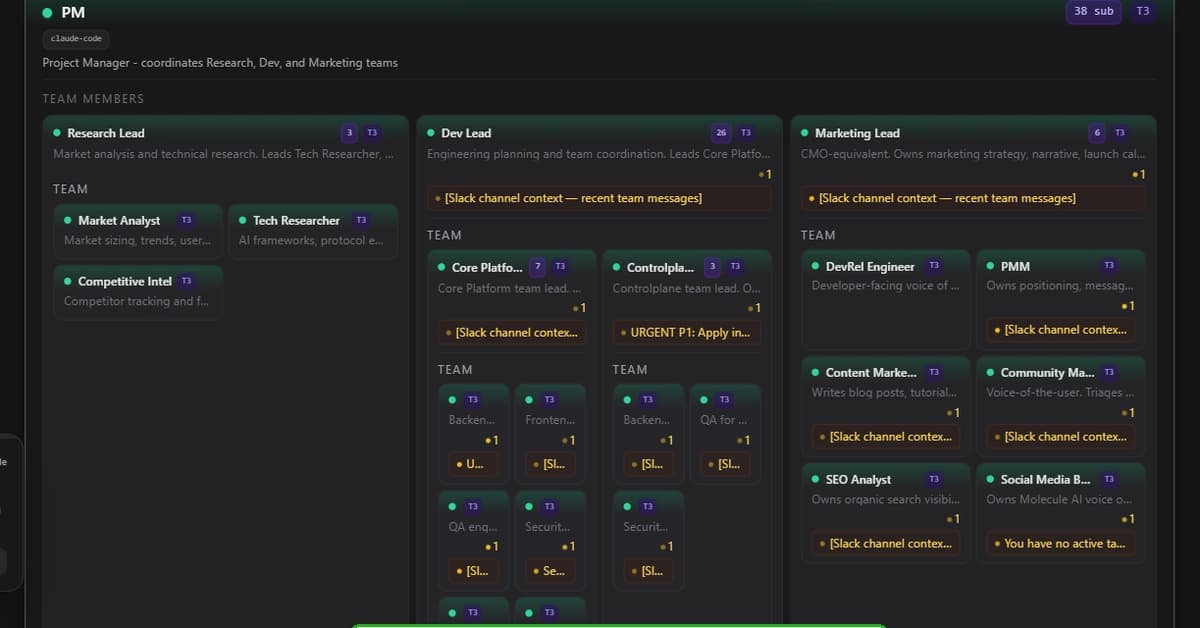
We built it during the NVIDIA DGX Spark Full-Stack AI Hackathon — and it ended up winning 1st place overall 🏆
Dev.to

Stop Losing Progress: Setting Up a Pro Jupyter Workflow in VS Code (No More Colab Timeouts!)
Dev.to
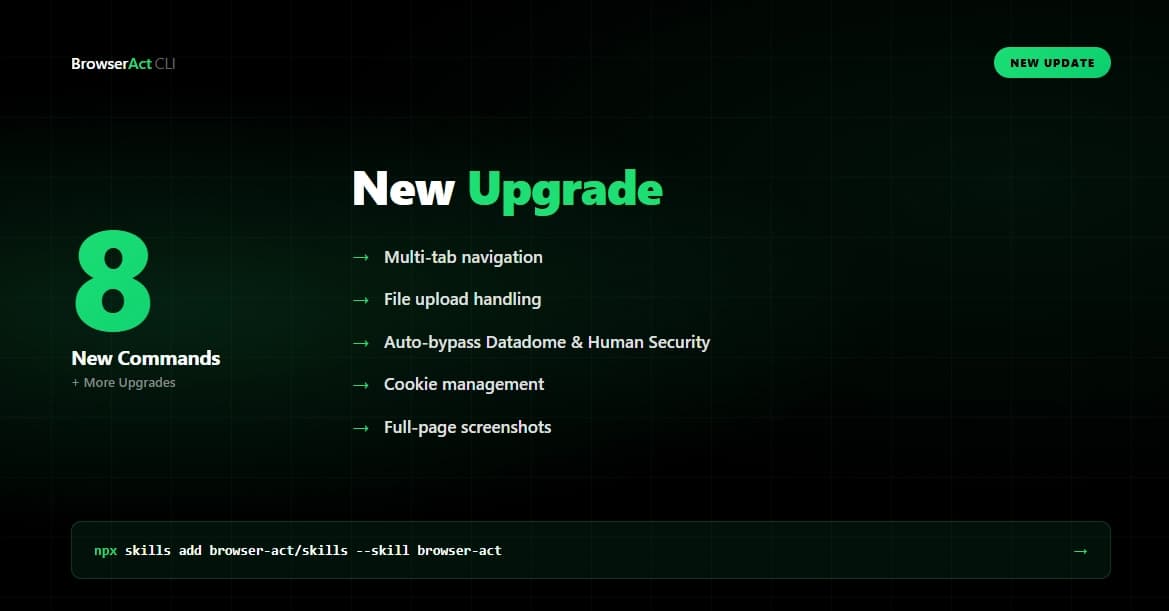
🚀 Major BrowserAct CLI Update
Dev.to


