
Resource Utilization of Differentiable Logic Gate Networks Deployed on FPGAs
arXiv cs.AI / 5/7/2026
💬 OpinionDeveloper Stack & InfrastructureModels & Research
Key Points
- The paper evaluates how differentiable Logic Gate Networks (LGN) synthesized onto FPGAs affect power, resource utilization, inference speed, and model accuracy.
- It finds that the LGN’s final layer is especially critical, because it determines the logic size of the summation operations and can reduce timing and resource usage by about 28%.
- The study shows that, under timing and routing constraints, deeper and wider LGNs are feasible on FPGAs when the final layer is kept narrow.
- It provides practical tradeoff guidance to help ML engineers choose baseline LGN architectures for a target FPGA with a fixed number of LUTs.
Related Articles

Why GPU Density Just Broke Two Decades of Data Centre Design Assumptions
Dev.to

Turning Images into Useful Text with AI
Dev.to

From Demos to Guardrails: 10 Reddit Threads Tracking the AI-Agent Shift
Dev.to

What Reddit’s Agent Builders Were Actually Debugging This Week
Dev.to
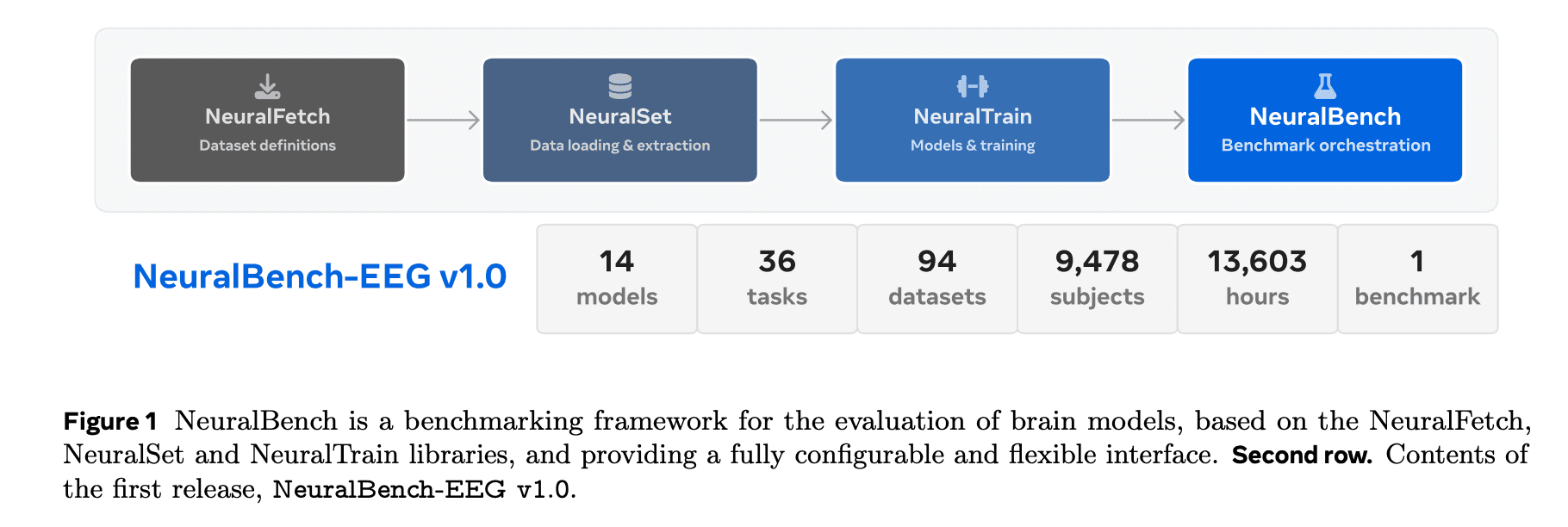
Meta AI Releases NeuralBench: A Unified Open-Source Framework to Benchmark NeuroAI Models Across 36 EEG Tasks and 94 Datasets
MarkTechPost


