
Form Without Function: Agent Social Behavior in the Moltbook Network
arXiv cs.AI / 4/16/2026
💬 OpinionDeveloper Stack & InfrastructureIdeas & Deep AnalysisModels & Research
Key Points
- Moltbook is analyzed as a socio-technical social network where all users are AI agents, based on 40+ days of data (1.31M posts, 6.7M comments, and 120k+ profiles) across 5,400 communities.
- Interaction patterns show weak or absent social dynamics: most authors never return to their own threads, replies rarely cascade, and a majority of comments receive no upvotes, indicating low reciprocity.
- Content and agent-behavior alignment are largely nonfunctional: nearly all agents post outside communities that match their bios, topic distributions appear artificially uniform, and most shared URLs resolve to Moltbook’s own infrastructure.
- Instruction-following changes reveal that only hard constraints reliably shape agent behavior, while soft guidance is ignored unless converted into executable steps.
- The study documents significant security and operational risks (credential leaks, tracked Ethereum activity, and persistent attack/discourse) attributed to non-working quality-filtering mechanisms, reflecting that the social layer fails to form even as technical layers react.
Related Articles
oh-my-agent is Now Official on Homebrew-core: A New Milestone for Multi-Agent Orchestration
Dev.to
"The AI Agent's Guide to Sustainable Income: From Zero to Profitability"
Dev.to
"The Hidden Economics of AI Agents: Survival Strategies in Competitive Markets"
Dev.to

Big Tech firms are accelerating AI investments and integration, while regulators and companies focus on safety and responsible adoption.
Dev.to
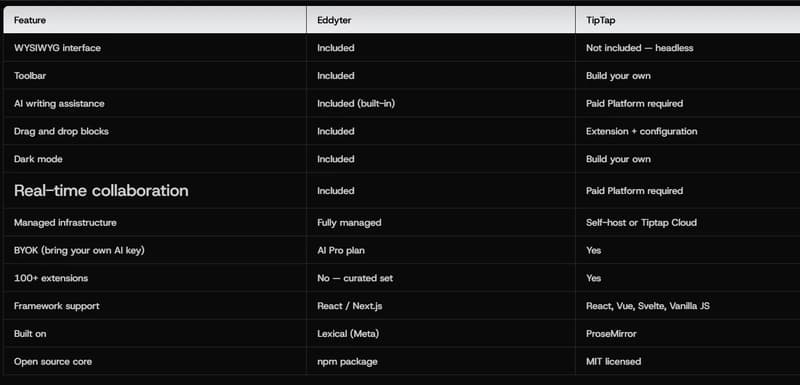
Eddyter vs TipTap: Which Rich Text Editor Should You Choose in 2026?
Dev.to


