
Video Generation Models as World Models: Efficient Paradigms, Architectures and Algorithms
arXiv cs.CV / 5/6/2026
💬 OpinionIdeas & Deep AnalysisModels & Research
Key Points
- The paper frames video generation models as potential “world simulators” capable of modeling physical dynamics and long-horizon causal relationships, but highlights a major efficiency gap versus practical world simulation.
- It reviews video generation frameworks and emphasizes efficiency as a core requirement, covering how to close the divide between theoretical capability and expensive spatiotemporal computation.
- The authors propose a new 3D taxonomy organized around efficient modeling paradigms, efficient network architectures, and efficient inference algorithms.
- They argue that improving efficiency enables interactive use cases such as autonomous driving, embodied AI, and game simulation, and they outline promising future research directions toward real-time, robust world models.
- The central claim is that efficiency is fundamental for evolving video generators into general-purpose world simulators suitable for interactive and real-world deployment.
Related Articles

Top 10 Free AI Tools for Students in 2026: The Ultimate Study Guide
Dev.to

AI as Your Contingency Co-Pilot: Automating Wedding Day 'What-Ifs'
Dev.to
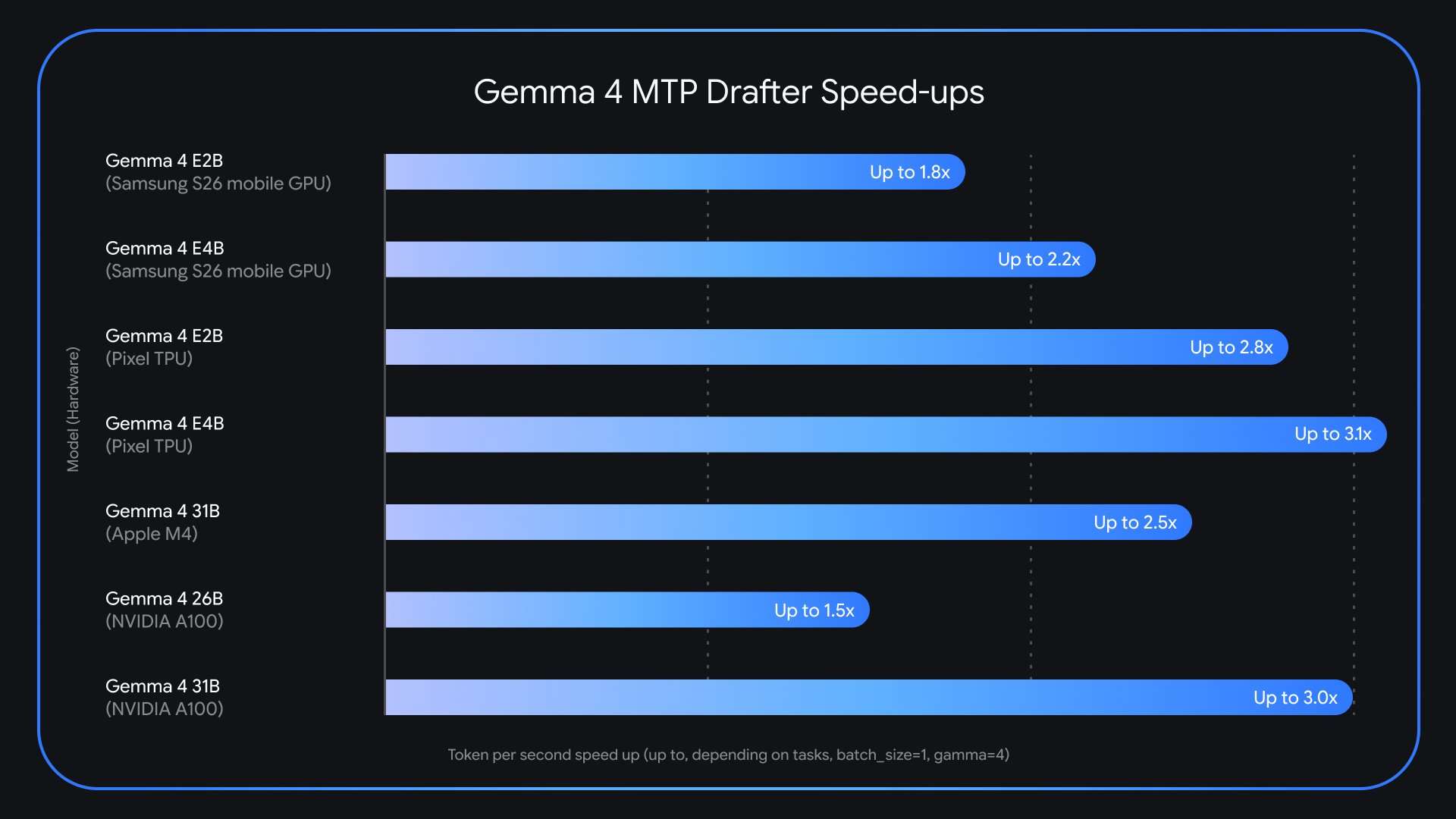
Google AI Releases Multi-Token Prediction (MTP) Drafters for Gemma 4: Delivering Up to 3x Faster Inference Without Quality Loss
MarkTechPost
When Claude Hallucinates in Court: The Latham & Watkins Incident and What It Means for Attorney Liability
MarkTechPost
Solidity LM surpasses Opus
Reddit r/LocalLLaMA


