
Representing expertise accelerates learning from pedagogical interaction data
arXiv cs.CL / 4/15/2026
💬 OpinionSignals & Early TrendsIdeas & Deep AnalysisModels & Research
Key Points
- The paper investigates why interaction traces between a novice and an expert can improve learning, focusing on which interaction features drive the gains versus expert-only demonstrations.
- It uses a controlled spatial navigation paradigm and generates synthetic datasets of pedagogical (expert–novice) interactions alongside expert-only behavior.
- Transformer models trained on pedagogical interaction data outperform models trained solely on expert demonstrations and remain more robust across different scenarios.
- The study also finds that explicitly representing epistemically distinct agents enables expert-like behavior even when expert actions appear infrequently in the data.
Related Articles

Black Hat Asia
AI Business

The Complete Guide to Better Meeting Productivity with AI Note-Taking
Dev.to

5 Ways Real-Time AI Can Boost Your Sales Call Performance
Dev.to
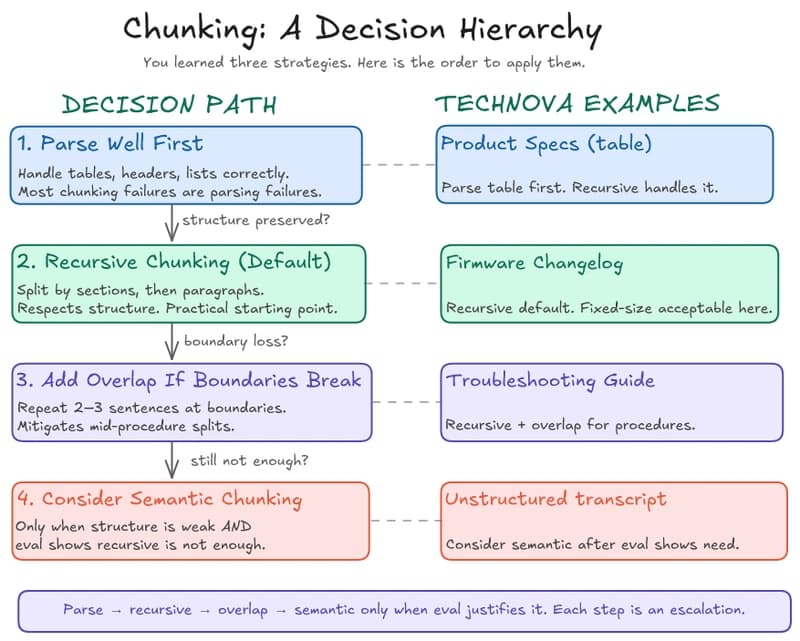
RAG in Practice — Part 4: Chunking, Retrieval, and the Decisions That Break RAG
Dev.to
Why dynamically routing multi-timescale advantages in PPO causes policy collapse (and a simple decoupled fix) [R]
Reddit r/MachineLearning


