
Machine learning and digital pragmatics: Which word category influences emoji use most?
arXiv cs.LG / 4/24/2026
💬 OpinionIdeas & Deep AnalysisModels & Research
Key Points
- The study uses a fine-tuned MARBERT machine learning model to predict emoji usage from Arabic tweets, focusing on multiple Arabic colloquial dialects.
- A dataset of 8,695 Arabic colloquial tweets was collected and labeled by classifying tweets into 14 emoji-related categories using a numerically encoded scheme.
- An interpretable preprocessing baseline was built to examine how lexical (word) features relate to different emoji categories.
- The model achieved an overall accuracy of 0.75, evaluated using precision, recall, and F1-score metrics.
- The authors conclude that results are promising but emphasize the need to improve ML approaches for low-resource, multidialectal languages such as Arabic.
Related Articles
The 67th Attempt: When Your "Knowledge Management" System Becomes a Self-Fulfilling Prophecy of Excellence
Dev.to
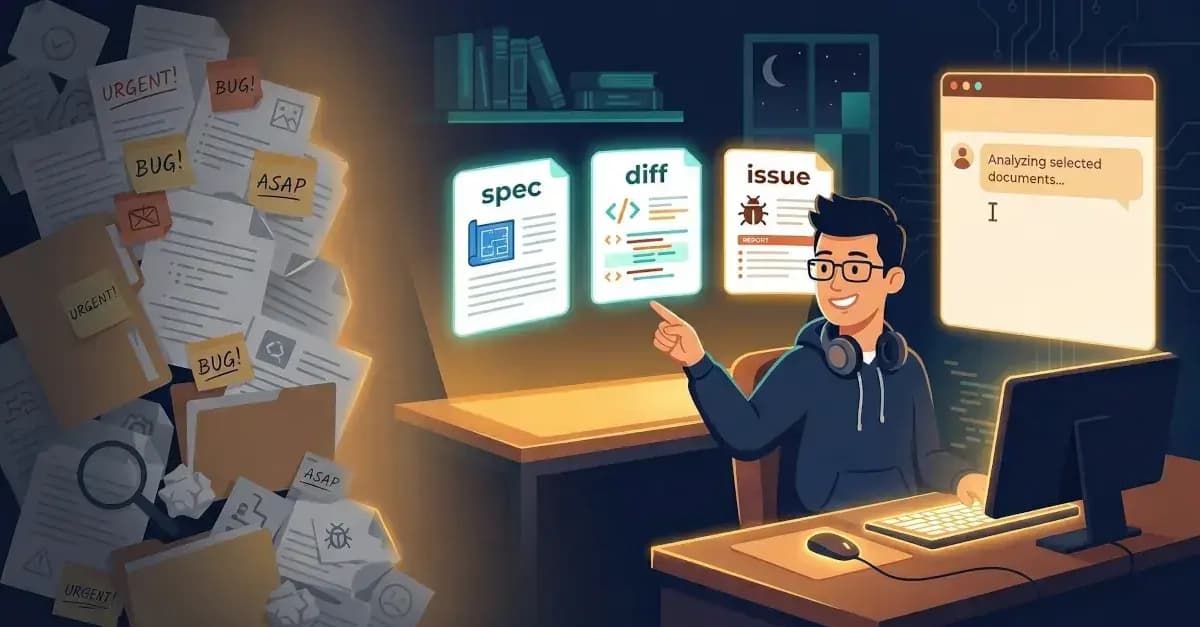
Context Engineering for Developers: A Practical Guide (2026)
Dev.to
GPT-5.5 is here. So is DeepSeek V4. And honestly, I am tired of version numbers.
Dev.to
I Built an AI Image Workflow with GPT Image 2.0 (+ Fixing Its Biggest Flaw)
Dev.to
Max-and-Omnis/Nemotron-3-Super-64B-A12B-Math-REAP-GGUF
Reddit r/LocalLLaMA


