
When Agents Evolve, Institutions Follow
arXiv cs.AI / 5/1/2026
📰 NewsIdeas & Deep AnalysisModels & Research
Key Points
- The paper argues that advanced multi-agent systems built on large language models face an organization and coordination challenge similar to that of historical political institutions.
- It translates seven historical governance institutions across four governance patterns into executable multi-agent architectures and evaluates them under the same conditions.
- Experiments across three LLMs and two benchmarks show that governance topology strongly affects collective performance.
- Within the same model, performance differences between the best and worst institutional designs exceed 57 percentage points, and the best architecture varies systematically with model capability and task characteristics.
- The findings suggest moving from merely “self-evolving agents” toward “self-evolving multi-agent systems,” where governance mechanisms can be reselected as tasks and capabilities change, with accompanying open-source code.
Related Articles
The foundational UK sovereign-AI patents are filed. The collaboration door is open.
Dev.to
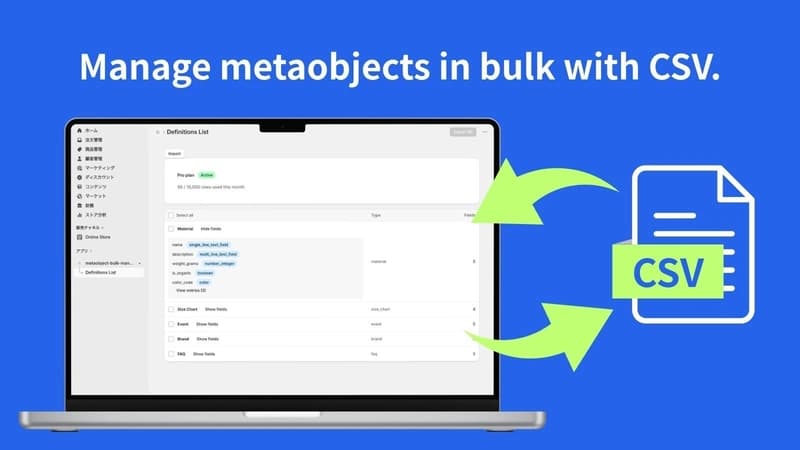
Building a Shopify app with Claude Code — spec-driven development and pricing design
Dev.to
The AI Habit That Pays Dividends (And Takes Zero Extra Time)
Dev.to
From Chaos to Clarity: AI-Powered Client Portals for Designers
Dev.to
I Used to Treat AI Like a Search Engine. Then I Realized I Was Doing It Wrong.
Dev.to


