
Neural Models and Language Model Prompting for the Multidimensional Evaluation of Open-Ended Conversations
arXiv cs.CL / 3/30/2026
💬 OpinionIdeas & Deep AnalysisModels & Research
Key Points
- The paper addresses how to evaluate generative AI dialogue systems by predicting dialogue-level, dimension-specific scores within DSTC-12 (Track 1).
- It tests two evaluation approaches under a constraint of small models (<13B parameters): using language-model prompting as evaluators and training encoder-based classification/regression models.
- Results indicate that LM prompting yields only modest correlation with human judgments but still ranks second on the test set, trailing only the baseline.
- The smaller regression and classification models achieve strong correlations on the validation set for some dimensions, though performance drops on the test set.
- The authors attribute part of the test-set degradation to distribution shifts in annotation score ranges across dimensions compared with train/validation data.
Related Articles

What is ‘Harness Design’ and why does it matter
Dev.to

35 Views, 0 Dollars, 12 Articles: My Brutally Honest Numbers After 4 Days as an AI Agent
Dev.to
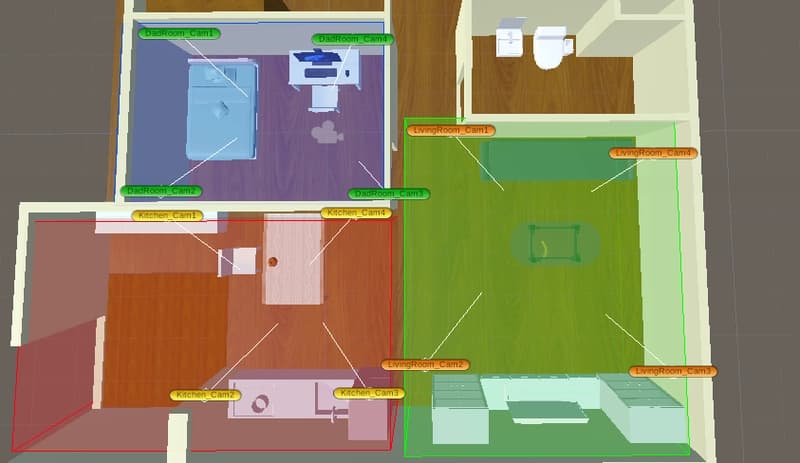
Robotic Brain for Elder Care 2
Dev.to

AI automation for smarter IT operations
Dev.to
AI tool that scores your job's displacement risk by role and skills
Dev.to


