
Novel Anomaly Detection Scenarios and Evaluation Metrics to Address the Ambiguity in the Definition of Normal Samples
arXiv cs.CV / 4/9/2026
📰 NewsSignals & Early TrendsIdeas & Deep AnalysisModels & Research
Key Points
- Conventional anomaly detection assumes training data contains only “normal” samples, but the real world often has ambiguous acceptability criteria (e.g., minor scratches/stains vs. upgraded precision requirements).
Related Articles

Black Hat Asia
AI Business
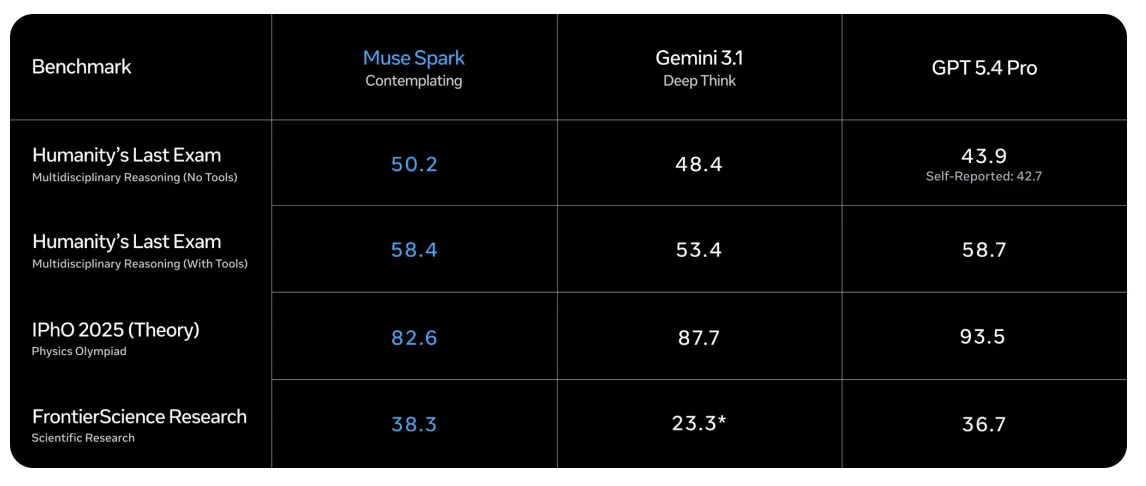
Meta Superintelligence Lab Releases Muse Spark: A Multimodal Reasoning Model With Thought Compression and Parallel Agents
MarkTechPost

Chatbots are great at manipulating people to buy stuff, Princeton boffins find
The Register
I tested and ranked every ai companion app I tried and here's my honest breakdown
Reddit r/artificial

Big Tech firms are accelerating AI investments and integration, while regulators and companies focus on safety and responsible adoption.
Dev.to


