
Neighbor2Inverse: Self-Supervised Denoising for Low-Dose Region-of-Interest Phase Contrast CT
arXiv cs.CV / 5/5/2026
📰 NewsDeveloper Stack & InfrastructureModels & Research
Key Points
- Neighbor2Inverse proposes a self-supervised denoising method for low-dose region-of-interest (ROI) phase-contrast CT using propagation-based X-ray phase-contrast imaging (PBI).
- It avoids the need for paired low- and high-dose training data by generating two structurally consistent but independently noisy subsamples of each projection and training in the image domain.
- Benchmarks against analytical and existing self-supervised denoising approaches show improved noise suppression while preserving fine anatomical details.
- In ROI PBI-CT experiments, the method improves contrast-to-noise ratio, spatial resolution, and composite image quality metrics, and it performs competitively on clinical CT under simulated low-dose settings.
- The authors submitted the work to IEEE and released code, data, and interactive figures via GitHub.
Related Articles
Why GPU Density Just Broke Two Decades of Data Centre Design Assumptions
Dev.to
Turning Images into Useful Text with AI
Dev.to
From Demos to Guardrails: 10 Reddit Threads Tracking the AI-Agent Shift
Dev.to
What Reddit’s Agent Builders Were Actually Debugging This Week
Dev.to
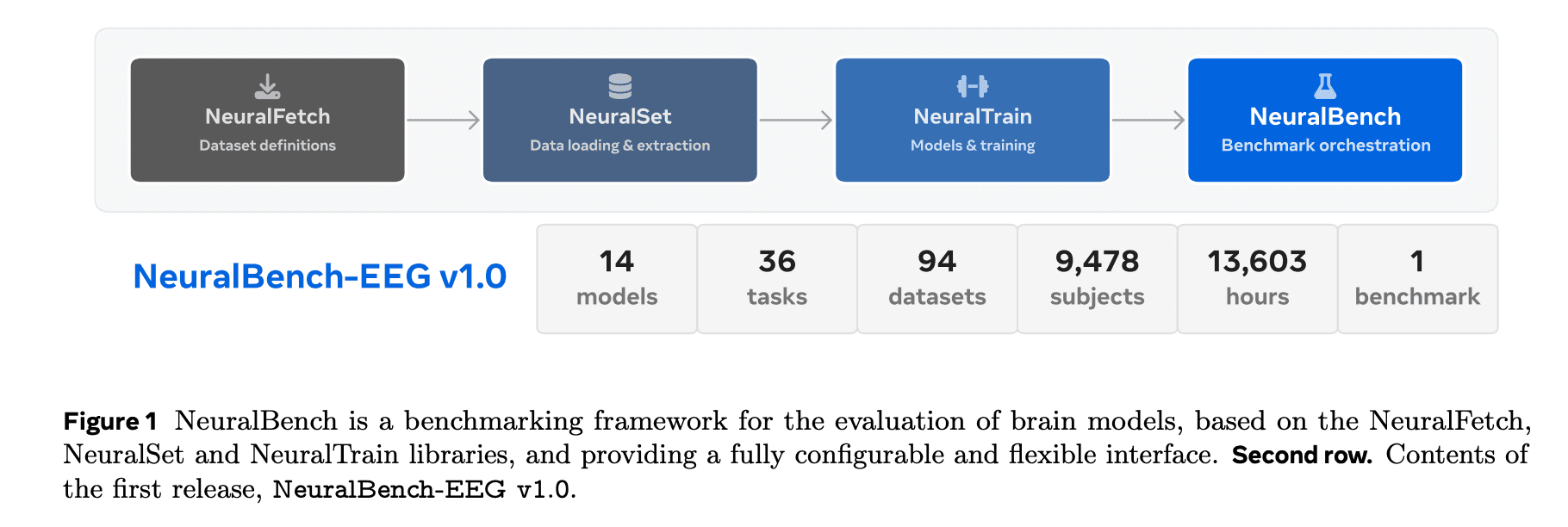
Meta AI Releases NeuralBench: A Unified Open-Source Framework to Benchmark NeuroAI Models Across 36 EEG Tasks and 94 Datasets
MarkTechPost


