
Case-Specific Rubrics for Clinical AI Evaluation: Methodology, Validation, and LLM-Clinician Agreement Across 823 Encounters
arXiv cs.AI / 4/28/2026
📰 NewsDeveloper Stack & InfrastructureIdeas & Deep AnalysisModels & Research
Key Points
- The paper proposes a case-specific, clinician-authored rubric methodology to evaluate clinical AI outputs in a way that supports iterative, safe deployment without requiring expensive expert scoring per instance.
- Using 20 clinicians who authored 1,646 rubrics for 823 clinical encounters, the researchers validate the approach by checking that an LLM-based scoring agent consistently ranks clinician-preferred outputs above rejected ones.
- Across seven versions of an EHR-embedded AI agent, clinician-authored rubrics strongly separated high- versus low-quality outputs (median score gap 82.9%) with very high scoring stability, and median scores improved from 84% to 95%.
- In later experiments, agreement between clinician and LLM-based rankings (Kendall’s tau ~0.42–0.46) matched or exceeded agreement between clinicians themselves (tau ~0.38–0.43), suggesting LLM-generated rubrics can approximate clinician consensus.
- The authors argue that pairing LLM rubrics with ongoing clinician authorship can dramatically expand evaluation coverage at ~1,000× lower cost, while noting that “ceiling compression” may limit future inter-rater agreement measurement.
Related Articles

Big Tech firms are accelerating AI investments and integration, while regulators and companies focus on safety and responsible adoption.
Dev.to
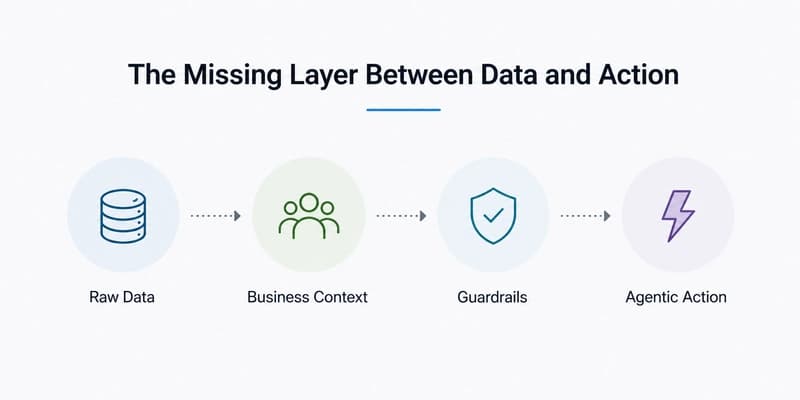
Everyone Wants AI Agents. Fewer Teams Are Ready for the Messy Business Context Behind Them
Dev.to
How to Build Traceable and Evaluated LLM Workflows Using Promptflow, Prompty, and OpenAI
MarkTechPost
AI 编程工具对比 2026:Claude Code vs Cursor vs Gemini CLI vs Codex
Dev.to

How I Improved My YouTube Shorts and Podcast Audio Workflow with AI Tools
Dev.to


