
Towards AI Search Paradigm
arXiv cs.CL / 3/16/2026
💬 OpinionDeveloper Stack & InfrastructureIdeas & Deep AnalysisTools & Practical UsageModels & Research
Key Points
- It presents the AI Search Paradigm, a modular architecture that uses four LLM-powered agents named Master, Planner, Executor, and Writer to drive next-generation search systems.
- The agents collaborate via coordinated workflows to assess query complexity, decompose problems into executable plans, and orchestrate tool usage and content synthesis.
- The paper outlines methodologies for task planning, tool integration, execution strategies, retrieval-augmented generation, and efficient LLM inference across both algorithms and infrastructure.
- It aims to inform the development of trustworthy, adaptive, and scalable AI search systems.
Related Articles
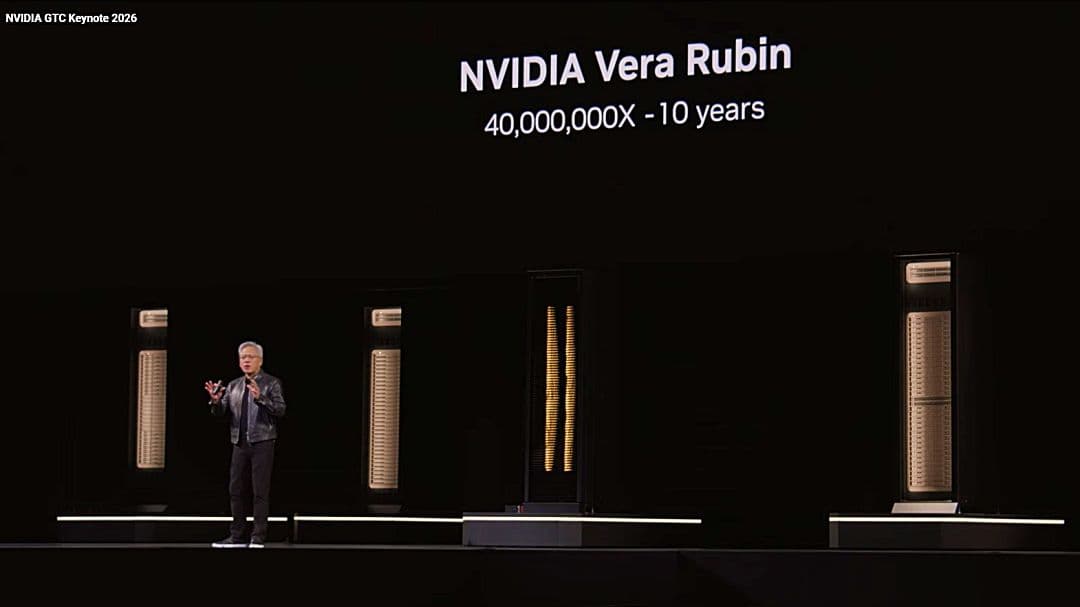
NVIDIA、GTC 2026で次世代AI基盤を発表 「Vera Rubin」を軸にエージェント・ゲーム・宇宙領域へ展開のサムネイル画像
Ledge.ai

1Password、AIエージェントのアクセス制御を統合管理する「Unified Access」発表 人間・マシン・AIの資格情報を一元統制のサムネイル画像
Ledge.ai

『モンドーモンドー』|夏目龍頭流闇文学|AI画像生成|自由詩|散文詩|ホラー|ダークファンタジー|深淵図書館
note

報告:LLMにおける「自己言及的再帰」と「ステートフル・エミュレーション」の観測
note

「お金、見直したいけどどこから?」AIが改善ヒントを教えてくれる、公式プロンプトを公開
note


