
HandVQA: Diagnosing and Improving Fine-Grained Spatial Reasoning about Hands in Vision-Language Models
arXiv cs.CV / 3/30/2026
💬 OpinionSignals & Early TrendsIdeas & Deep AnalysisModels & Research
Key Points
- HandVQA is introduced as a large-scale diagnostic benchmark to measure how well vision-language models perform fine-grained spatial reasoning about articulated hand poses.
- The benchmark is built from high-quality 3D hand datasets and contains 1.6M+ multiple-choice visual question answering items targeting joint-level spatial attributes like angles, distances, and relative positions.
- Evaluations across several state-of-the-art VLMs (including LLaVA and others) show systematic failure modes such as hallucinated finger parts, incorrect geometric interpretation, and weak generalization.
- The authors report that 3D-grounded spatial knowledge learned via HandVQA transfers in a zero-shot manner, improving downstream tasks including hand gesture recognition (+10.33%) and hand-object interaction (+2.63%).
Related Articles

Black Hat Asia
AI Business
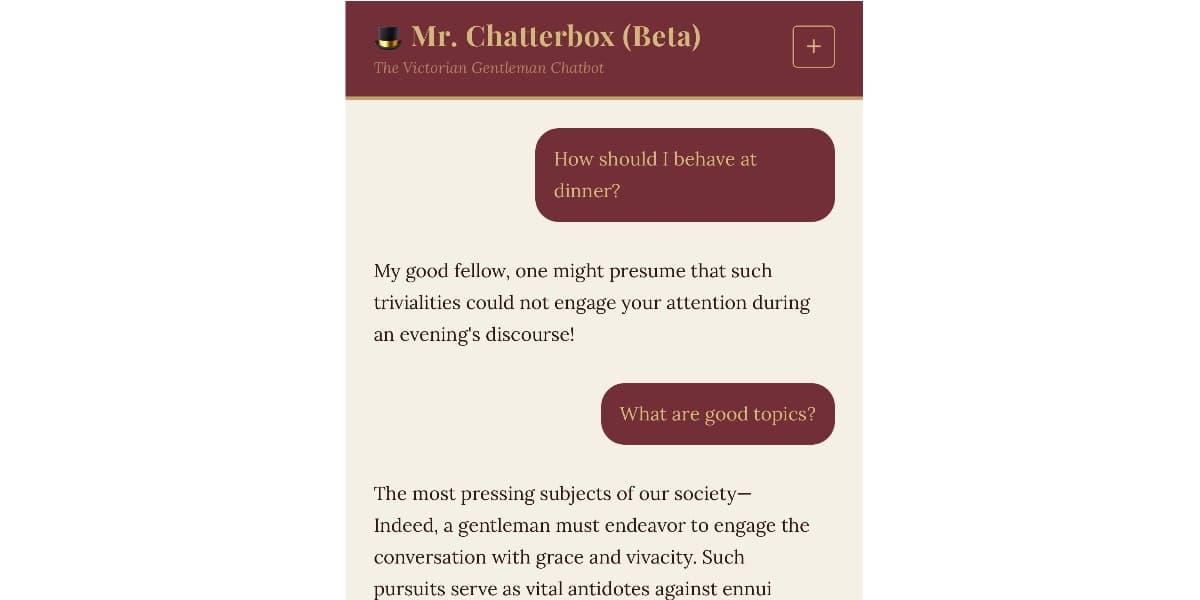
Mr. Chatterbox is a (weak) Victorian-era ethically trained model you can run on your own computer
Simon Willison's Blog
Beyond the Chatbot: Engineering Multi-Agent Ecosystems in 2026
Dev.to

I missed the "fun" part in software development
Dev.to

The Billion Dollar Tax on AI Agents
Dev.to


